New conceptual art series by Ted Ollier

Printmaker and conceptual artist Ted Ollier is always finding new ways to visualize interesting data, from voting results to the relative sizes of the moons of Jupiter. Working from home during the quarantine without access to his printing press inspired Ollier to experiment with a new medium - needlepoint. Read Ollier’s statement about his latest conceptual series below, and shop his work here.


Etsy-01.jpg


CGA Cross-Stitch Sampler is an editioned needlepoint work blending two major forms of pixel-based rendering. It is stitched in 16 colors of cotton floss on squares of aida material approximately 3 1/2” x 3 1/2”.

The Computer Graphics Adapter was IBM’s de facto first standard for rendering color digitally. It had a palette of 16 RGB colors, with an extended graphics mode utilizing all 16 colors in a resolution of 160 x 100 pixels. It revolutionized the display of graphics on home computers in the early 1980s.

Textiles and needlework are a form of pixel-based representation that have existed for millennia. Computer-based image manipulation has existed for at most a few decades. To compare and contrast the different applications of these forms of pixelation, I have rendered this palette in a cross-stitch sampler of sixteen 4 x 4 blocks, using floss colors that are as close to the RGB specification as I can procure.

The edition is limited to 16, the same as the number of colors in the CGA palette. In keeping with the digital nature of the subject, the edition numbers have been converted to hexadecimal and start with 0 and end with the letter F. This keeps each unit a single digit and is in line with the numbering conventions of several programming languages.
 

2020 Father's Day Gift Guide

Father's Day is Sunday, June 21! Looking for a unique gift to celebrate Dad? We’ve curated a selection of great gifts in our online shop, and we are happy to offer curbside pickup, free local delivery or shipping services. We are also booking appointments at the gallery - click here to find out how. Happy Father’s Day!


Ingrid Jochimsen’s impeccably crafted wooden boxes highlight the natural beauty of the materials she works with and are perfect for storing your treasured keepsakes.

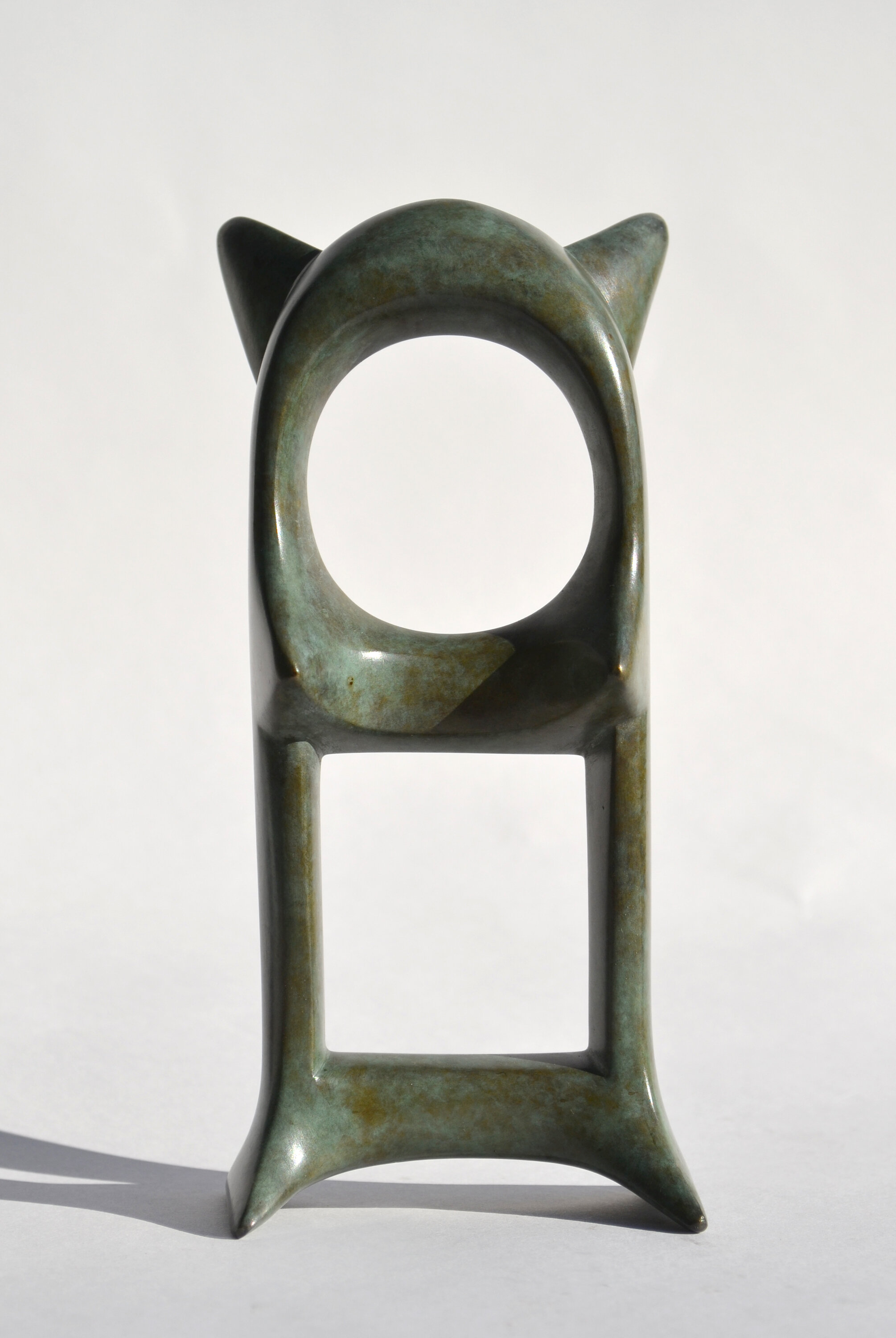
Peter Decamp Haines crafts elegant and minimalistic designs out of cast bronze that celebrate the natural world.


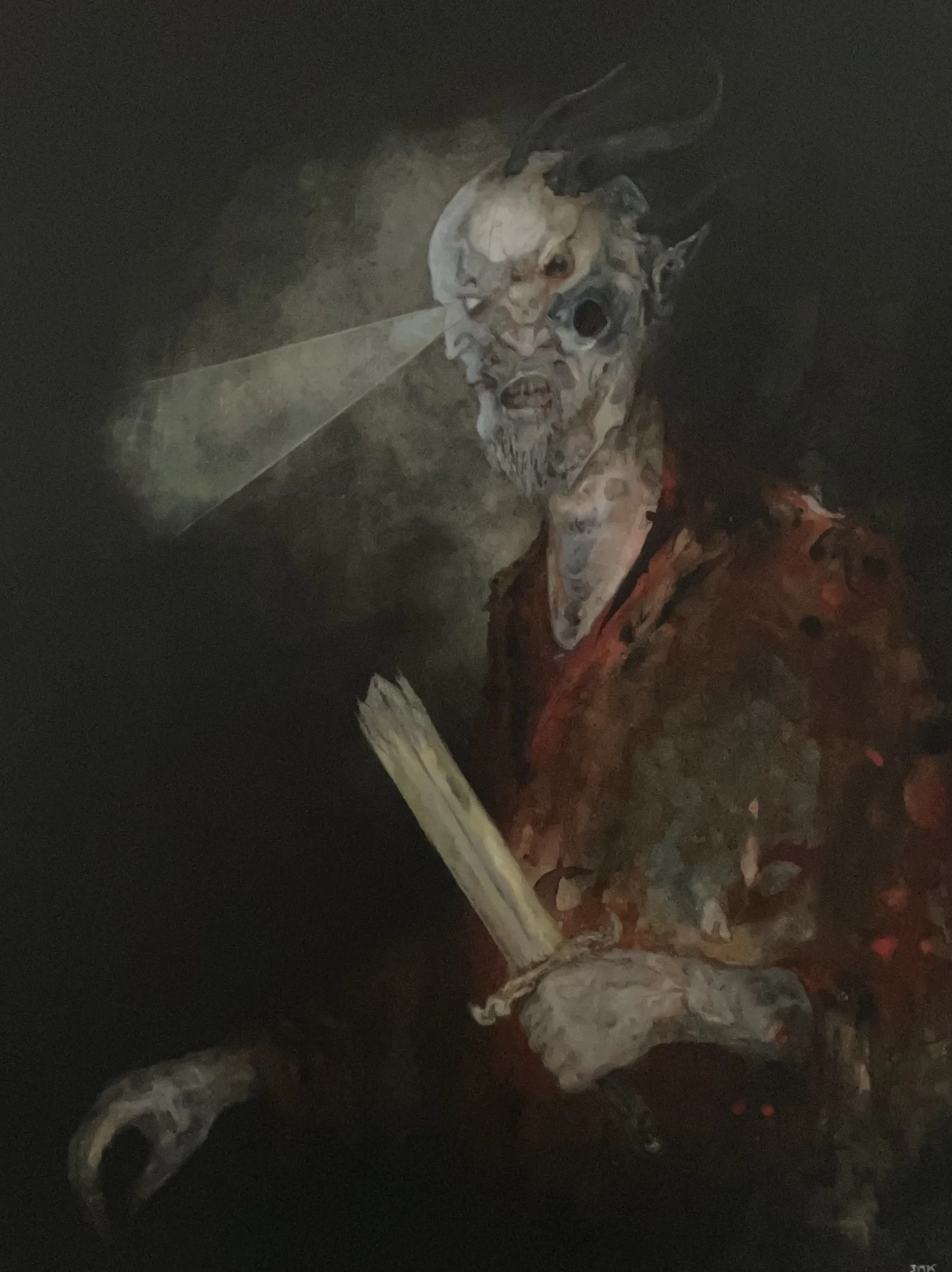
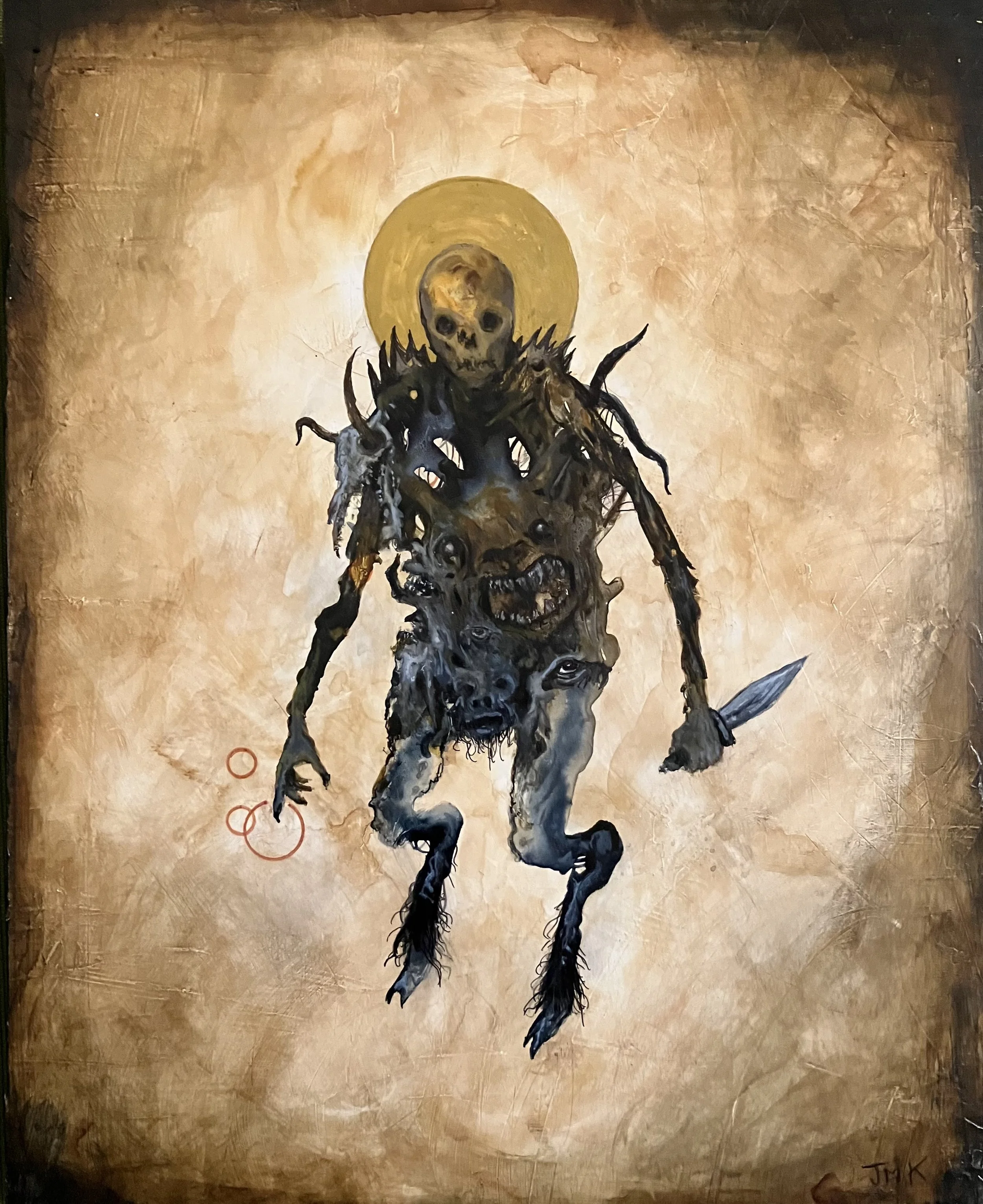
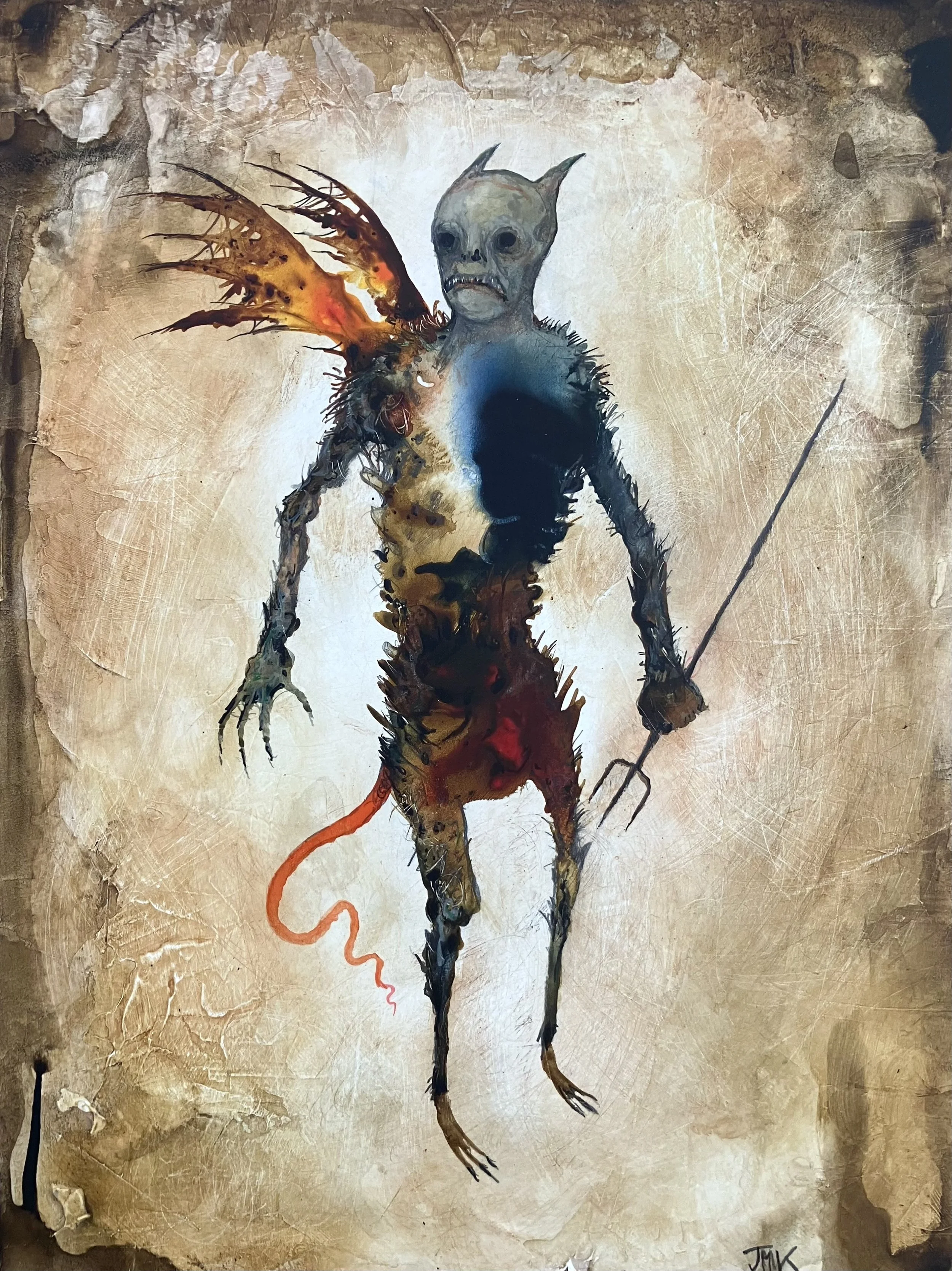
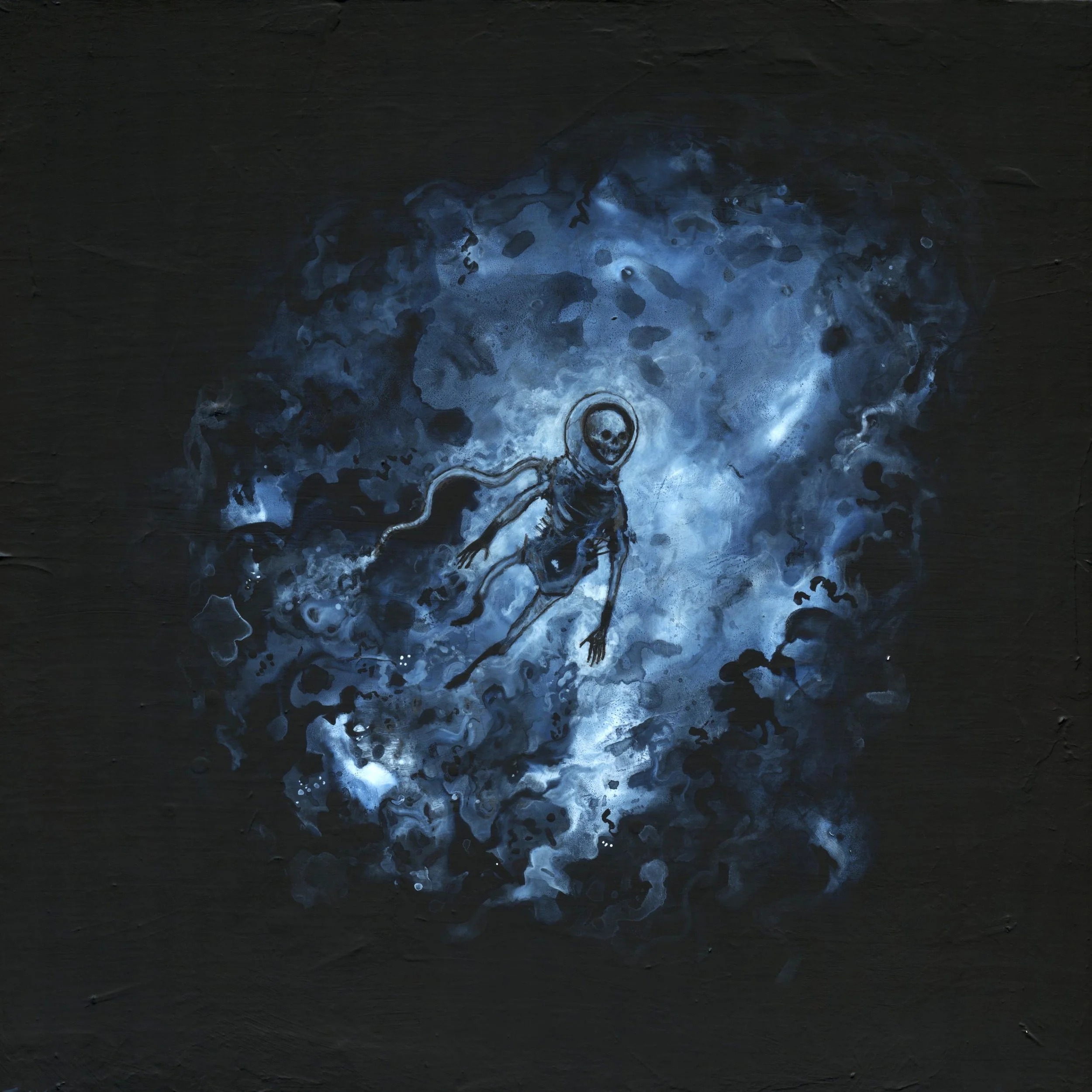
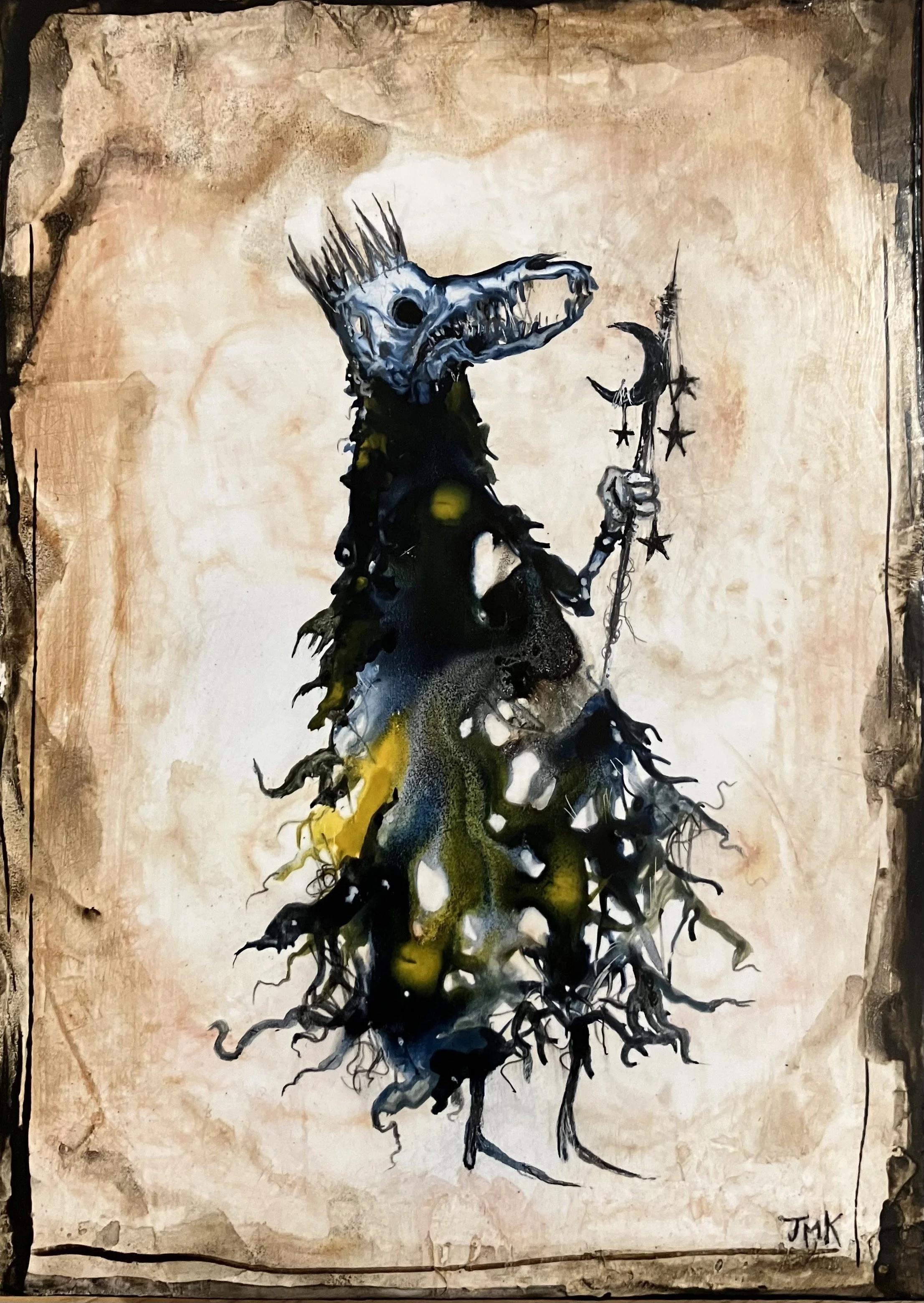
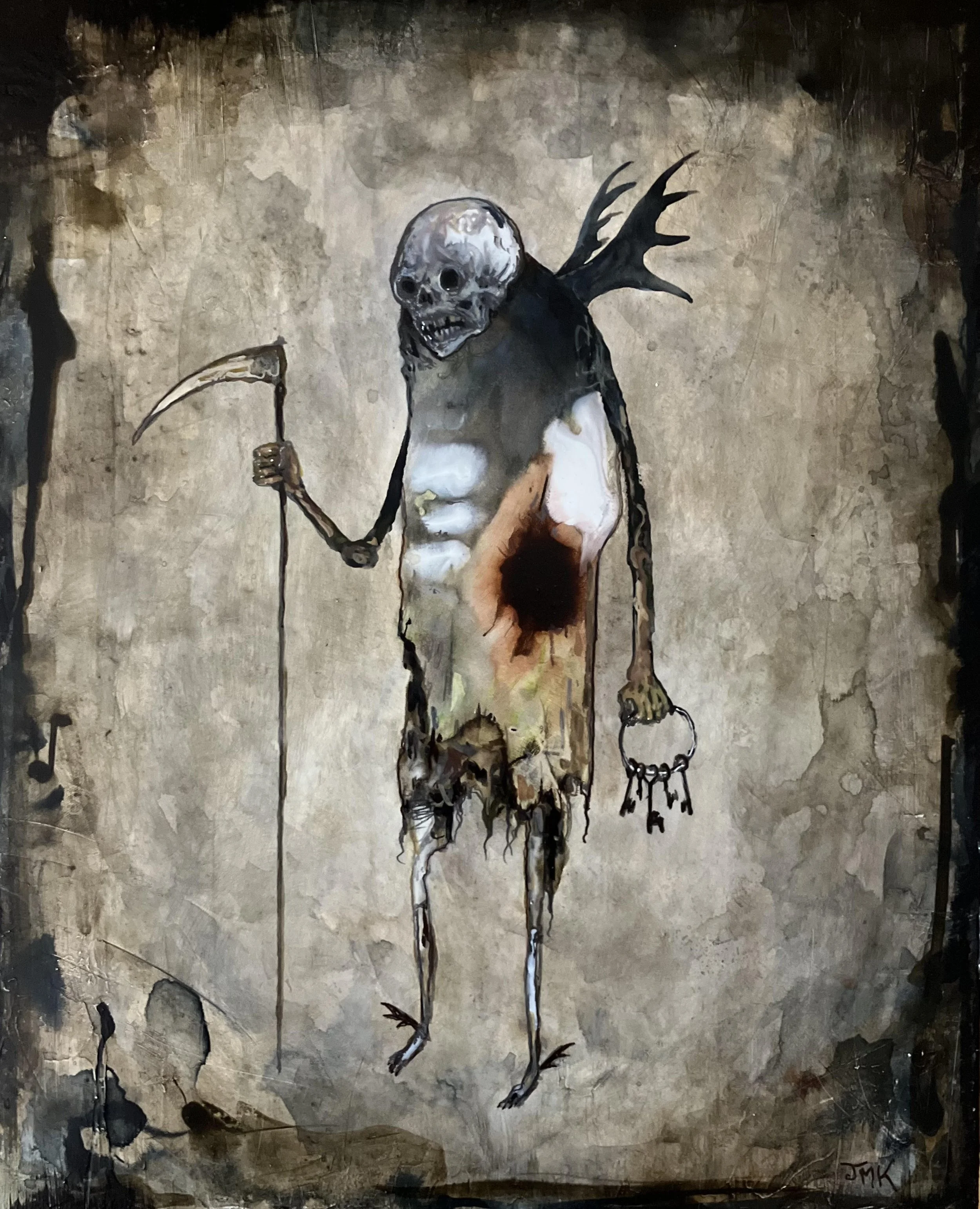
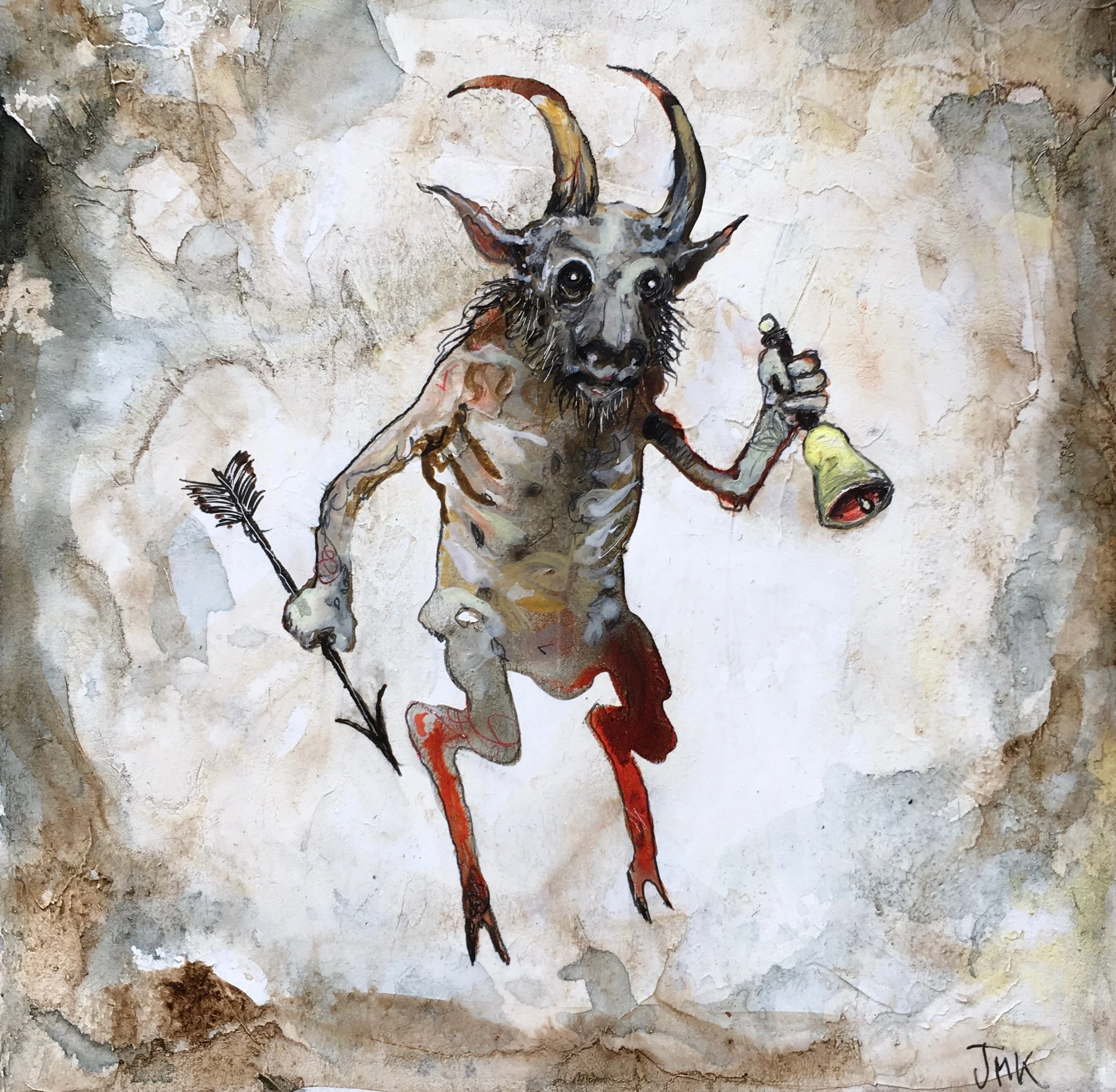
Joe Keinberger’s imaginative portraits of spooky creatures strike the perfect balance between whimsy and the macabre.


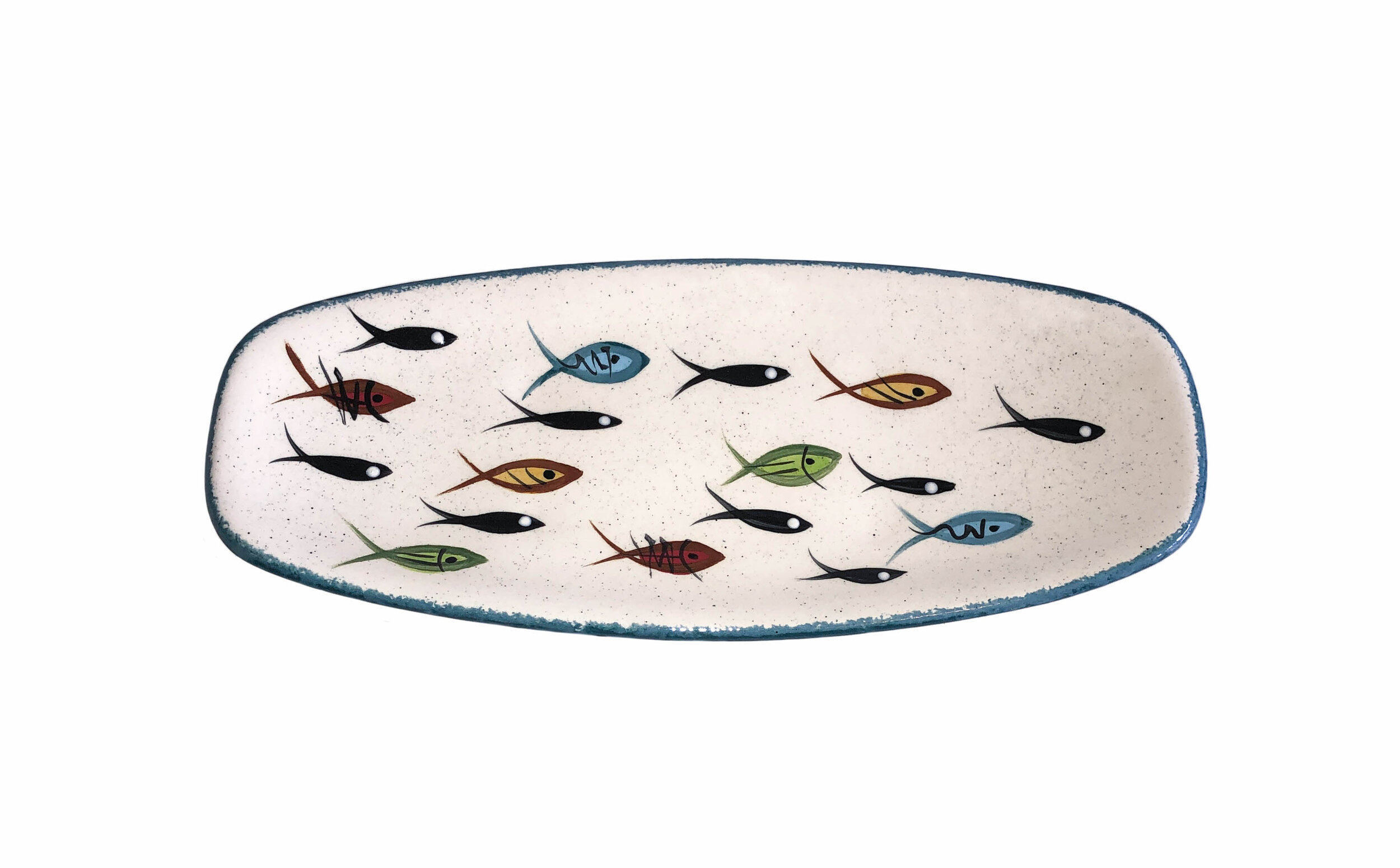
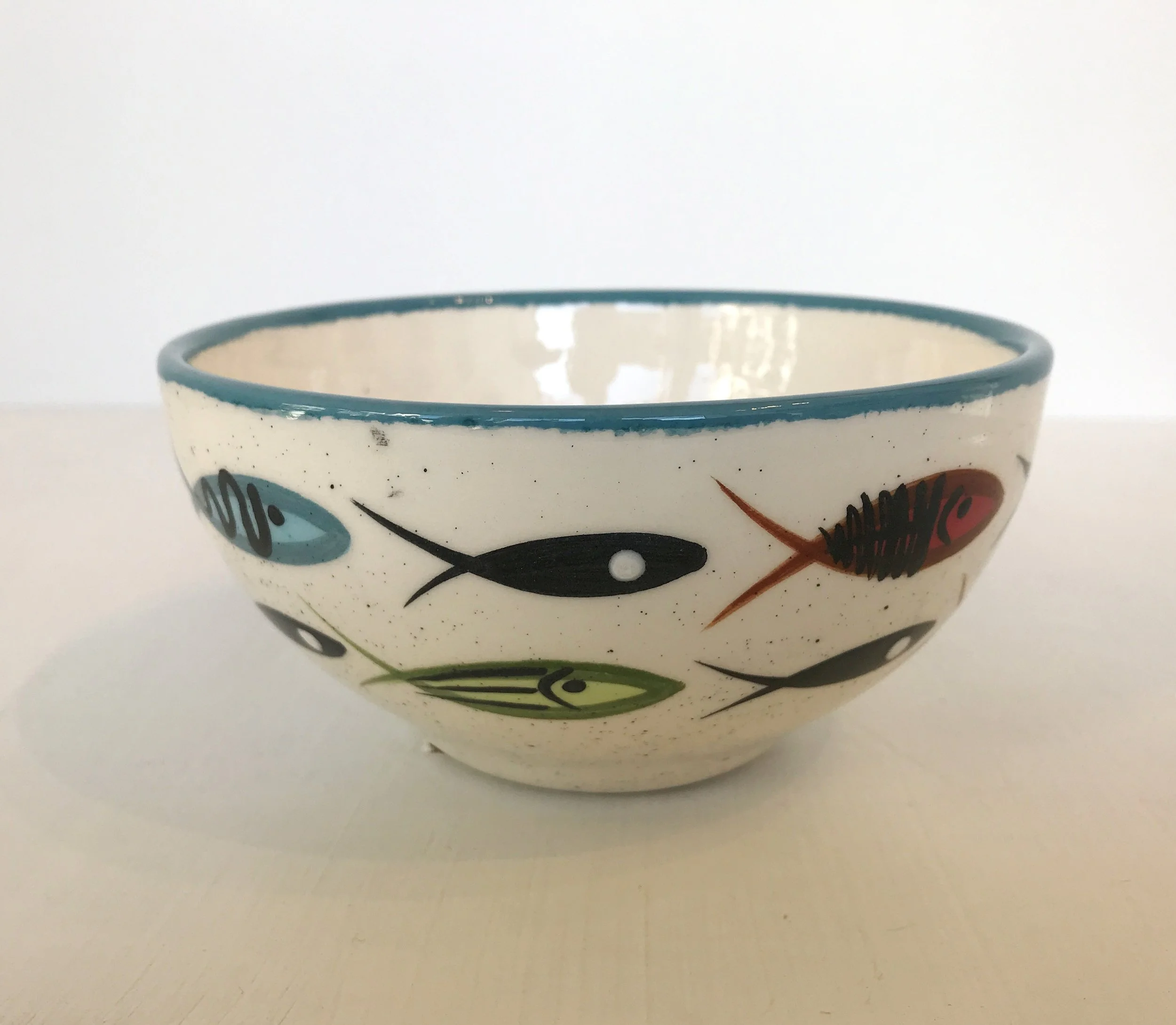
A Cape Cod institution since the 1950’s, Jobi Pottery has long been a favorite for those looking to give a unique New England gift. We are proud to be the only venue off the Cape where you can find these delightful hand painted ceramics. With a range of styles and colors, this pottery is great for any occasion.


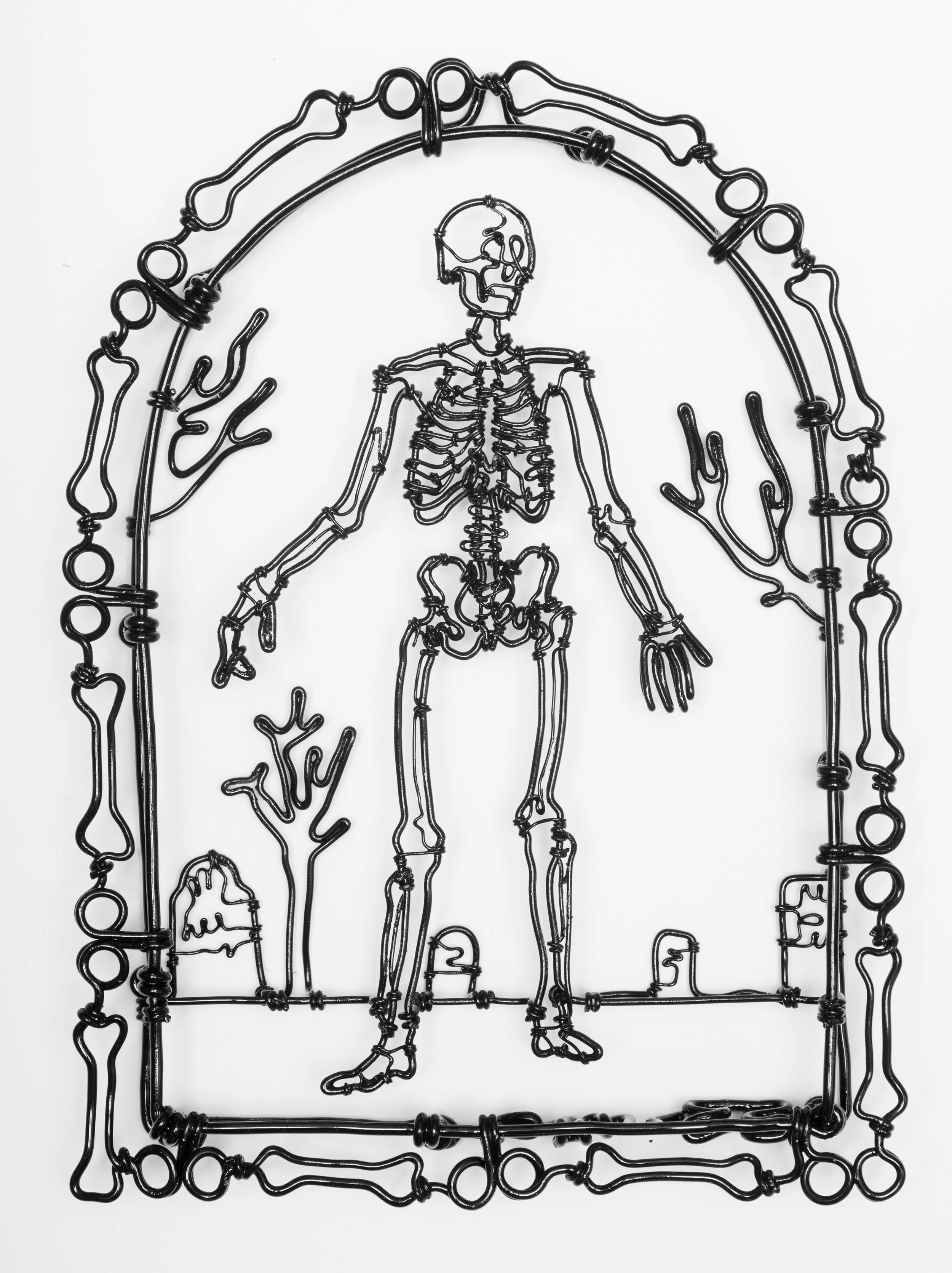
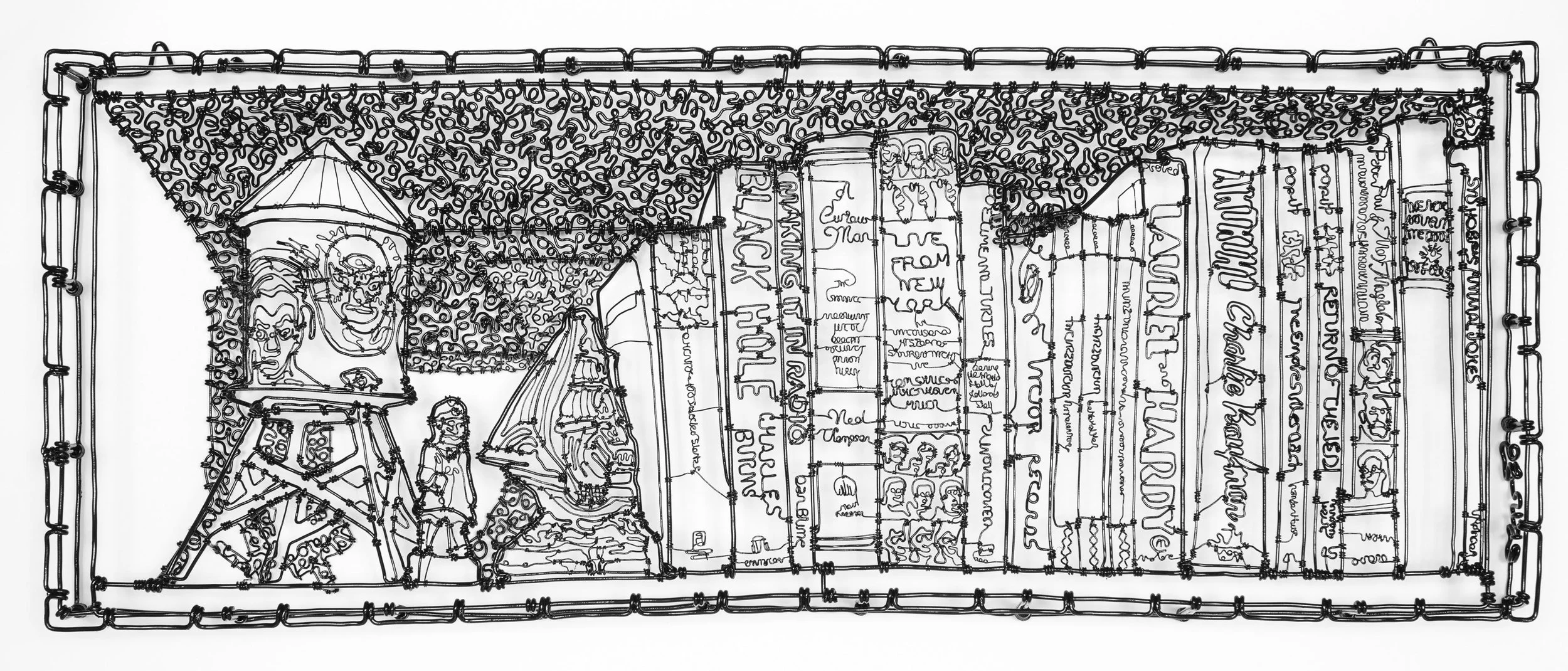
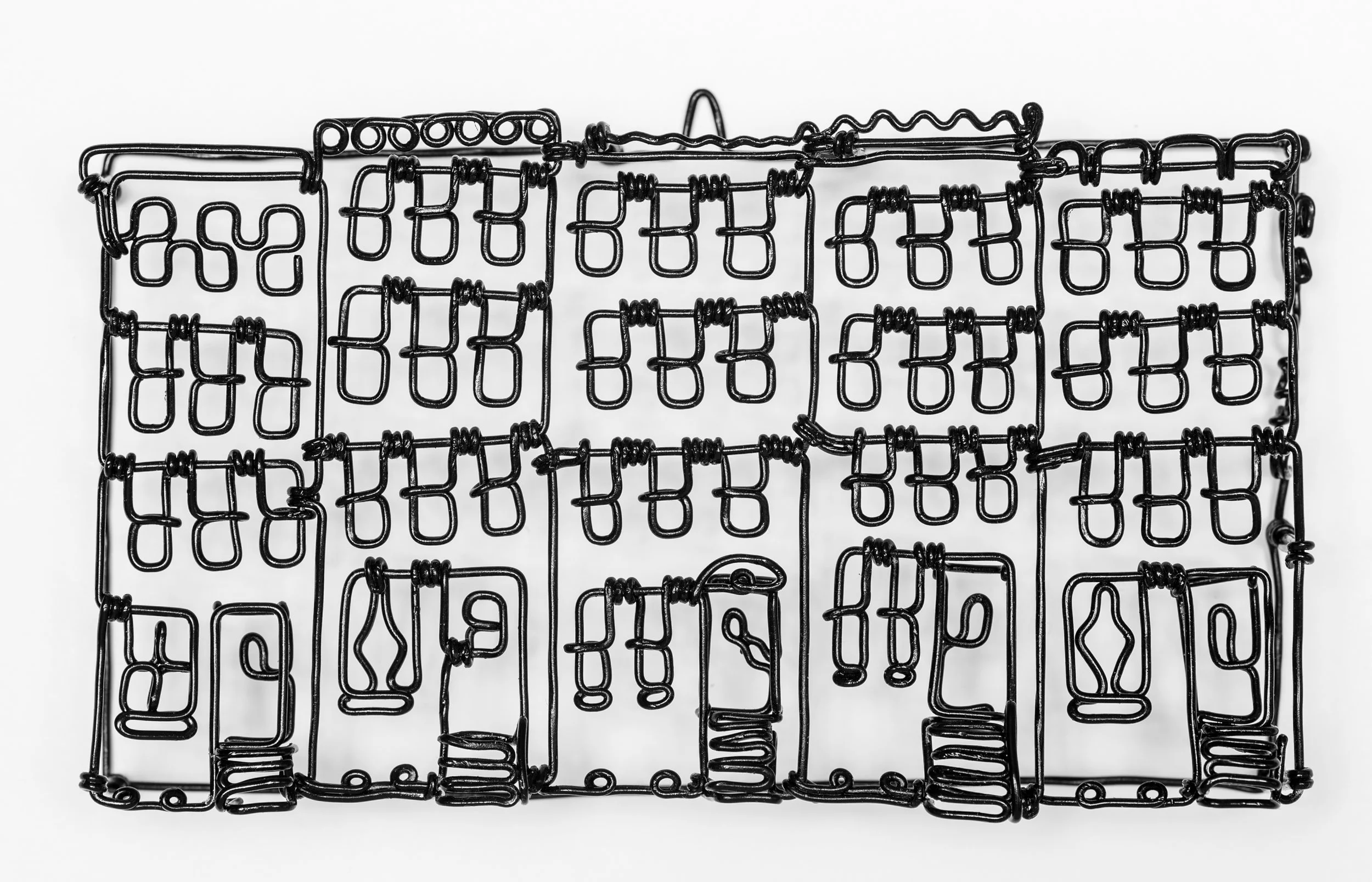
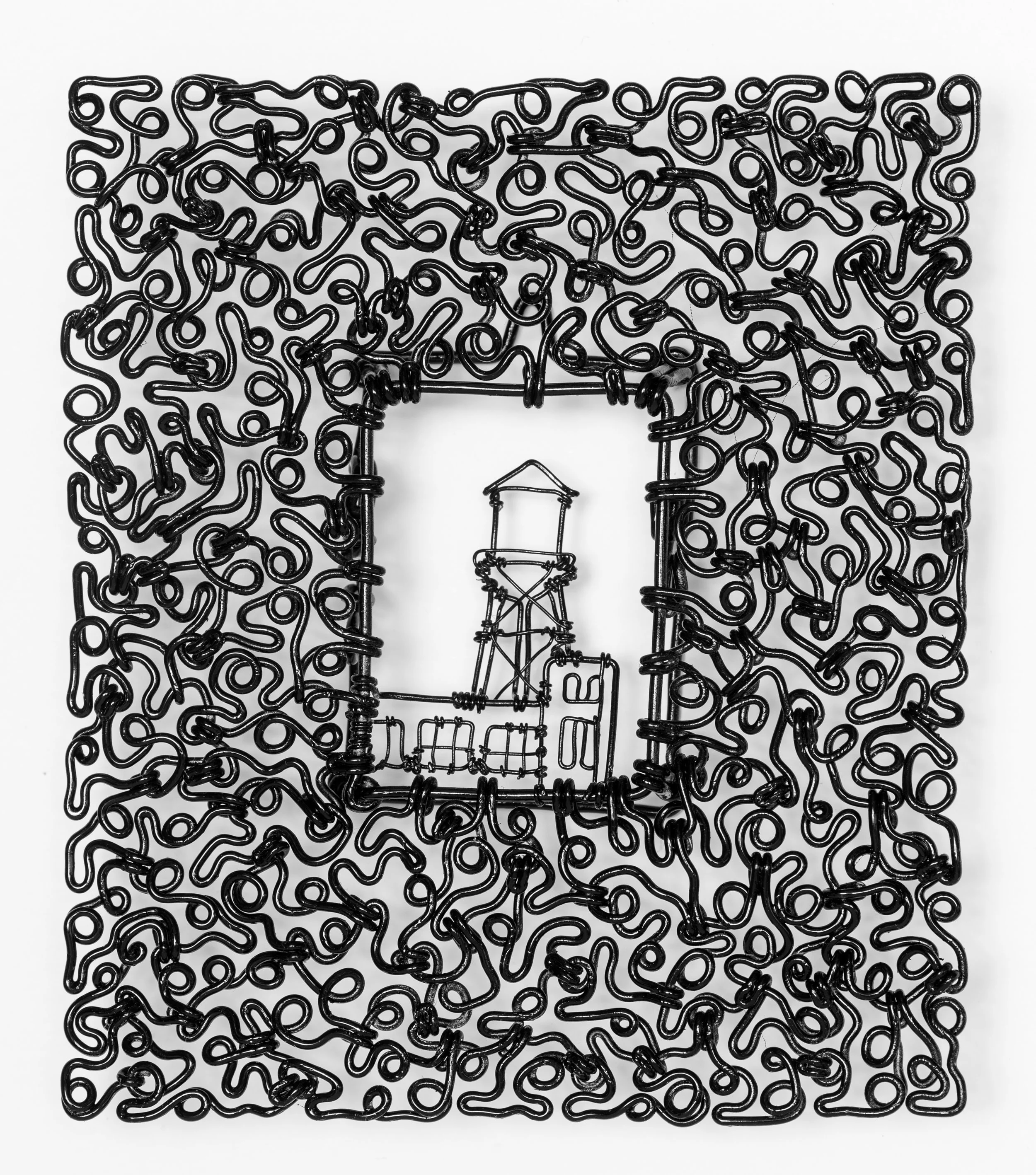
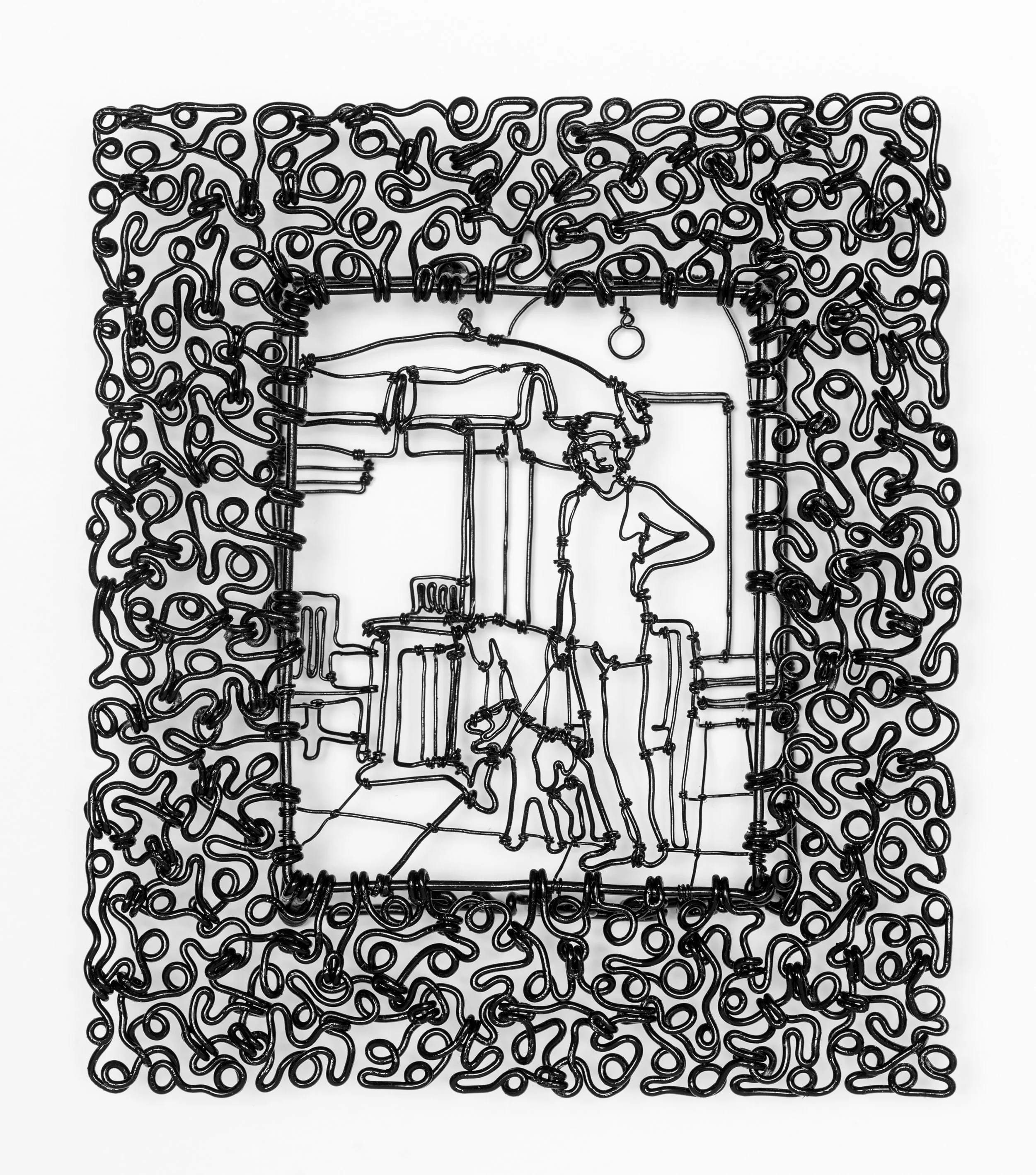
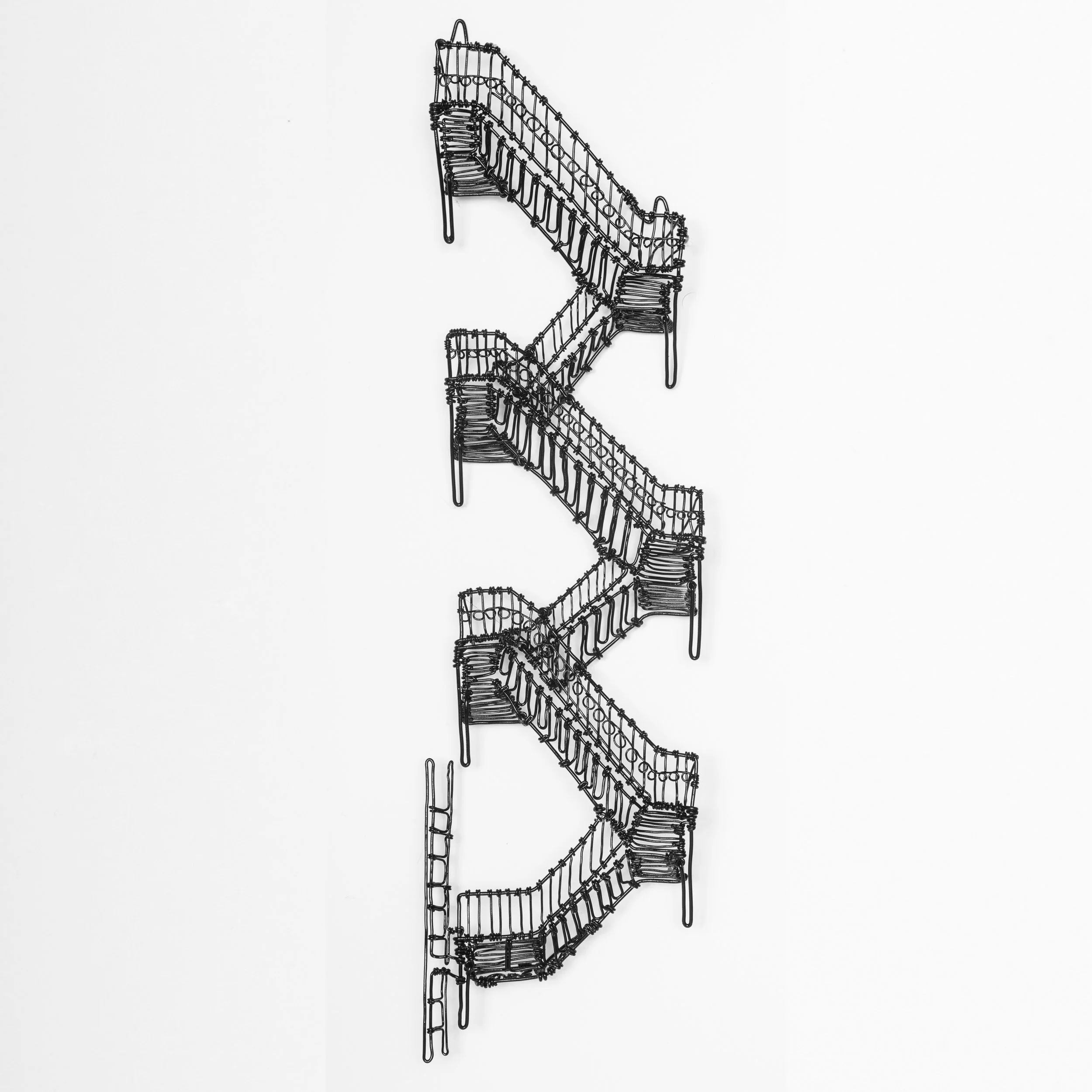
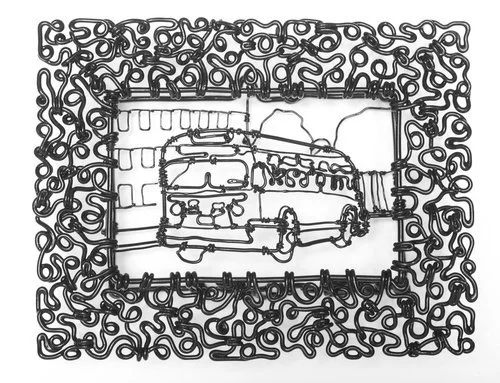
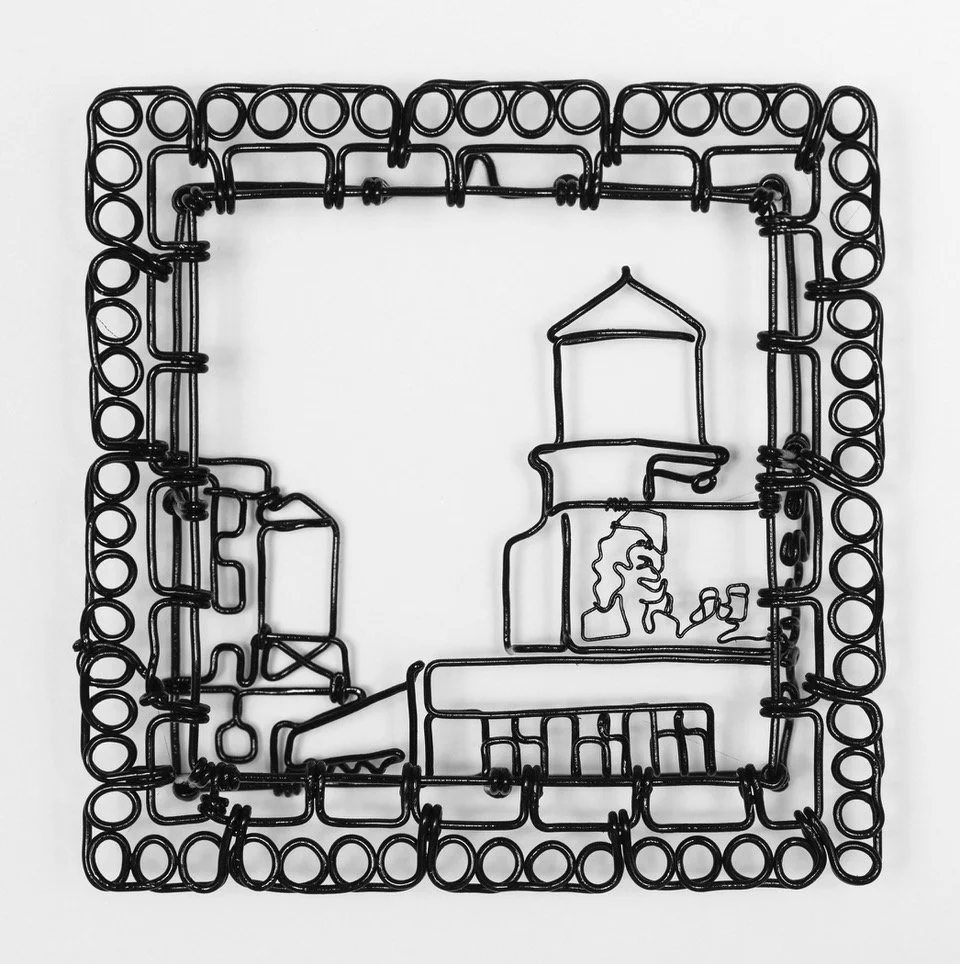
CW Roelle creates playful wire sculptures that resemble three dimensional drawings. His work touches on a wide range of subjects, but his recent series featuring his two young sons is perfect for Father’s Day.


Coco Berkman’s linoleum prints bring her charming characters to life with humor and joy.


Heather Pilchard is another go-to for those looking for an iconic New England gift. Her colorful paintings of Wellfleet evoke sun-drenched summers on the Cape.


2020 Mother's Day Gift Guide

This year we might not be able to celebrate Mother’s Day as we normally would, but we want to make sure that you can still find a thoughtful gift to commemorate this special holiday. We’ve curated a selection of great gifts in our online shop, and we are happy to offer shipping services or free local delivery. Happy Mother’s Day!


13FOREST’s newest artist Caroline Mead makes colorful geometric earrings from lightweight polymer clay - perfect for someone who likes jewelry that is bold yet easy to wear.

Summary Block
This block has no content yet. Items you add to the page connected to this block will display here.

Rebecca Lockhart crafts her jewelry out of repurposed industrial materials, creating designs that are sleek and modern.


Maeve Mueller’s delicate porcelain designs range from simple geometric studs and pendants to dramatic tiered earrings - something for every taste. She uses a special gold luster glaze that adds elegance to every piece.


A Cape Cod institution since the 1950’s, Jobi Pottery has long been a favorite for those looking to give a unique New England gift. We are proud to be the only venue off the Cape where you can find these delightful hand painted ceramics. With a range of styles and colors, this pottery is great for any occasion.


Recently featured in the Boston Globe Magazine’s 2020 Mother’s Day Gift Guide, Françoise Han’s lovely hand painted porcelain pottery will add color and cheer to any home.

Summary Block
This block has no content yet. Items you add to the page connected to this block will display here.

Amy Keller’s miniature prints feature charming vignettes - perfect for someone with a sense of whimsy.


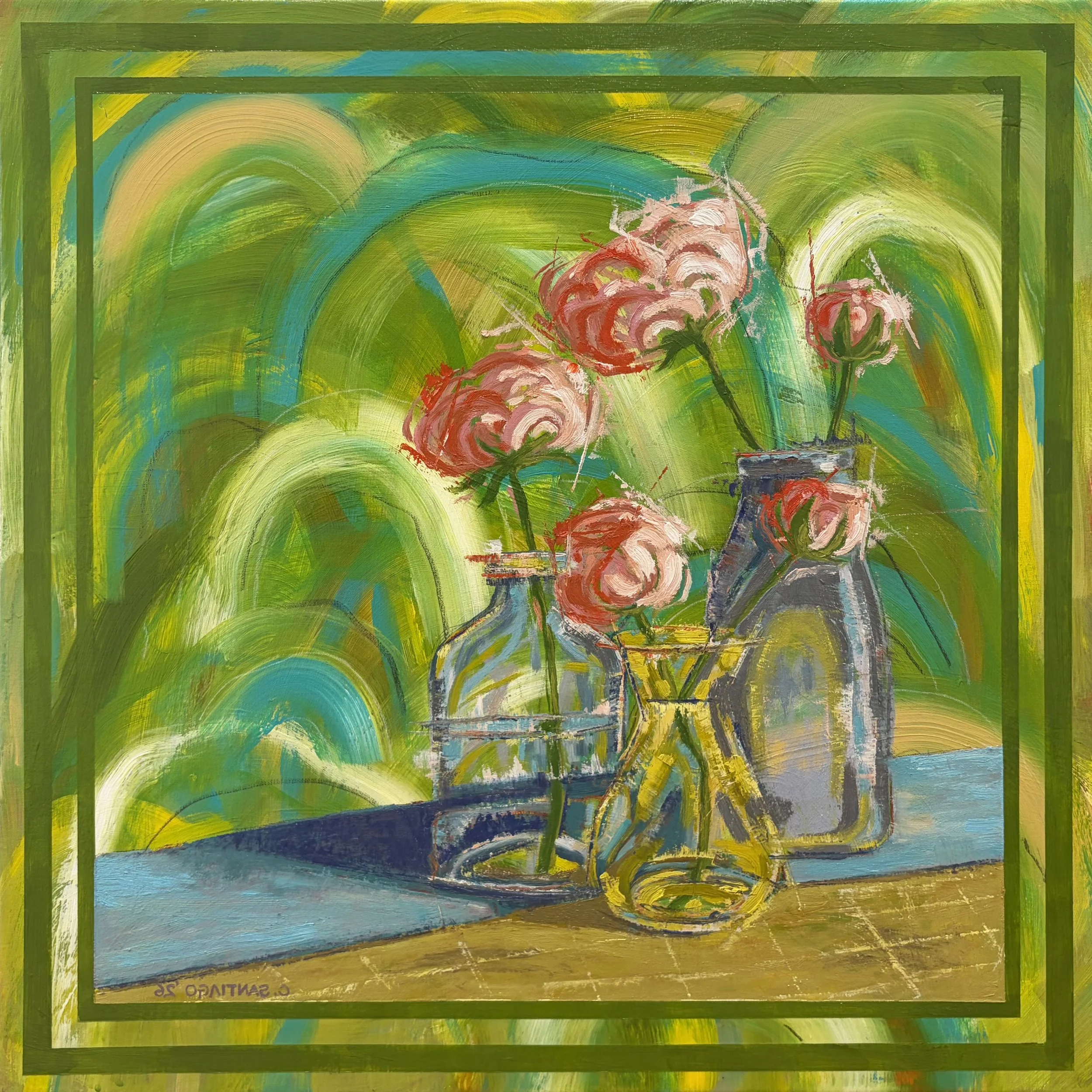
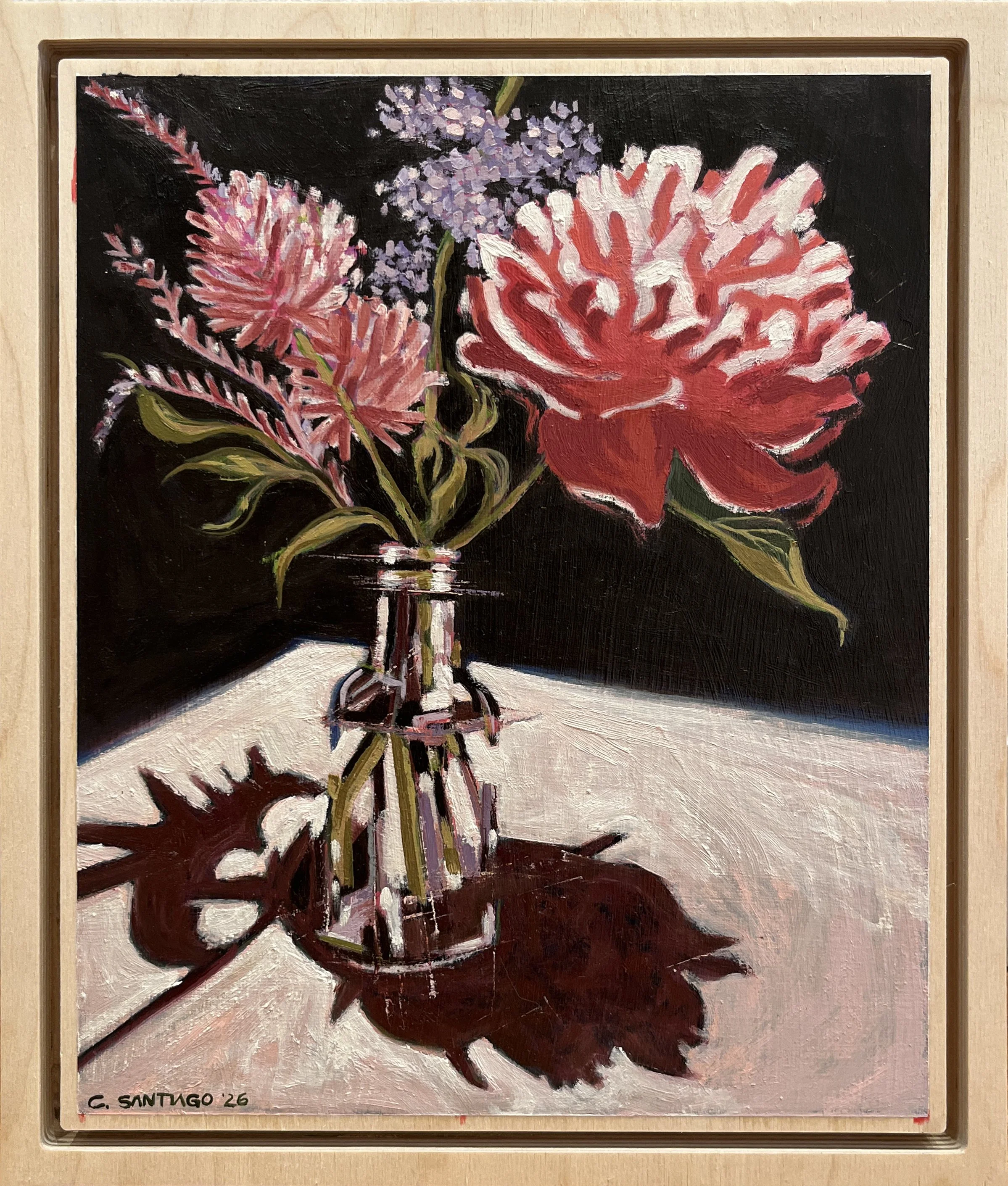
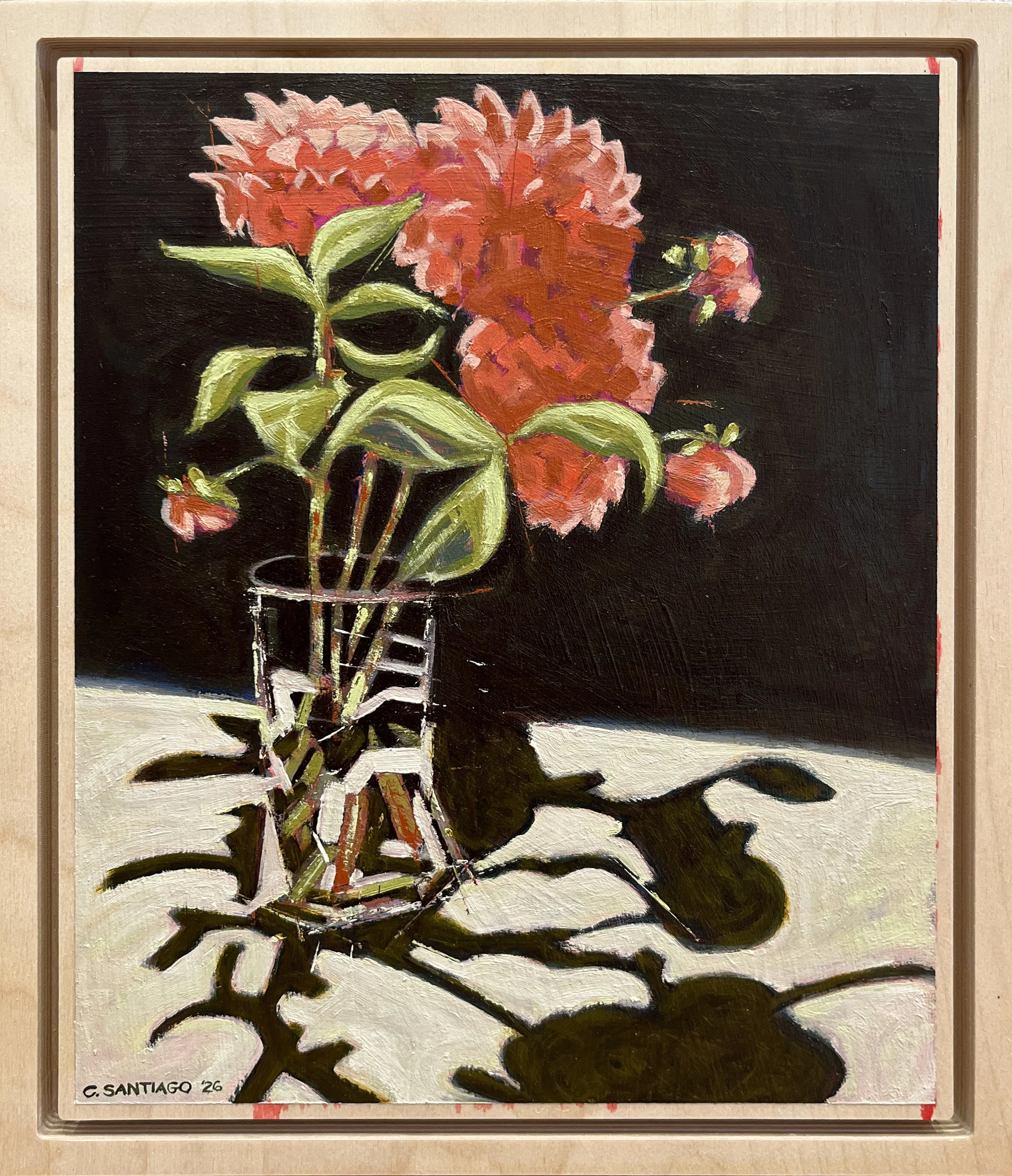
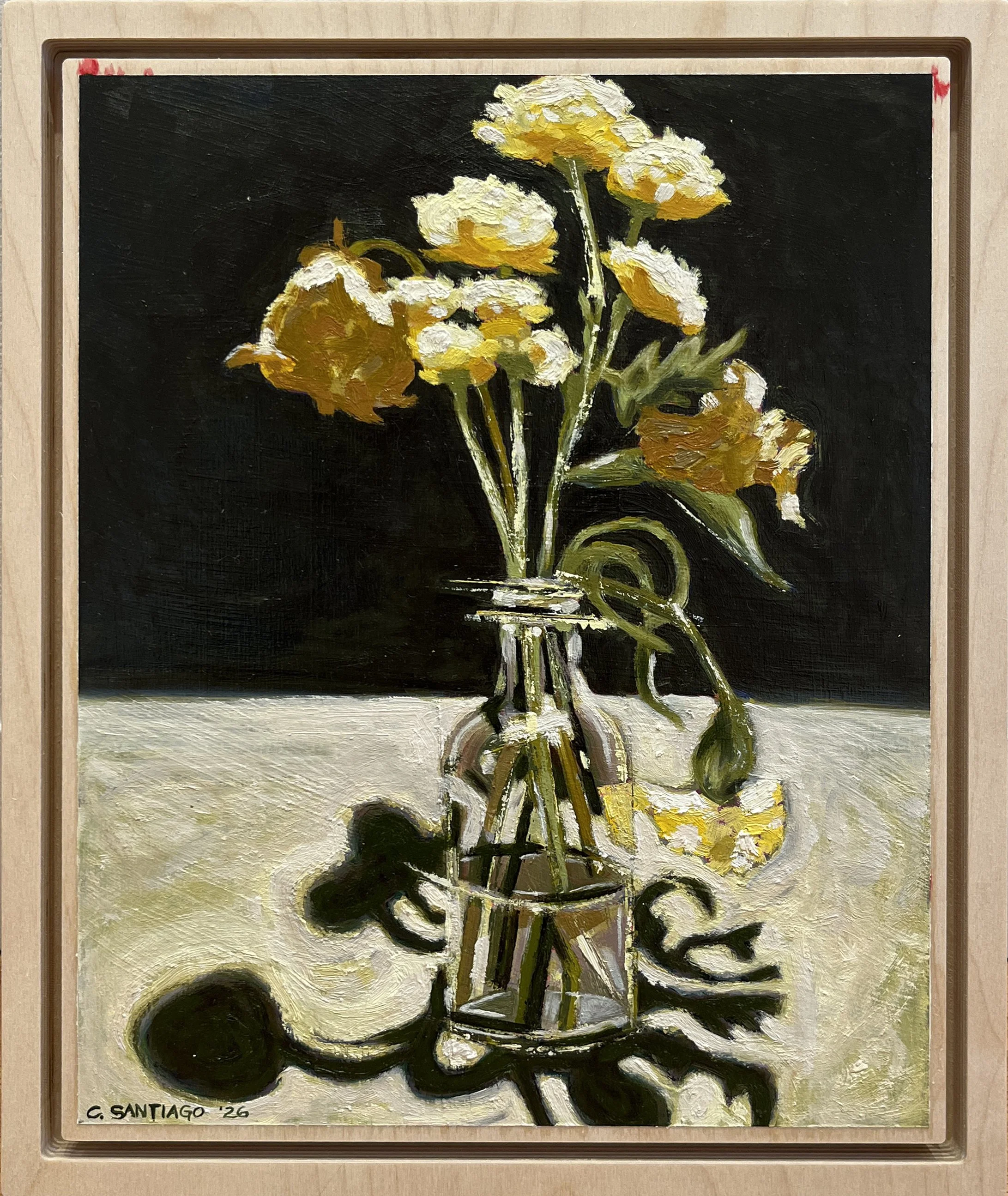
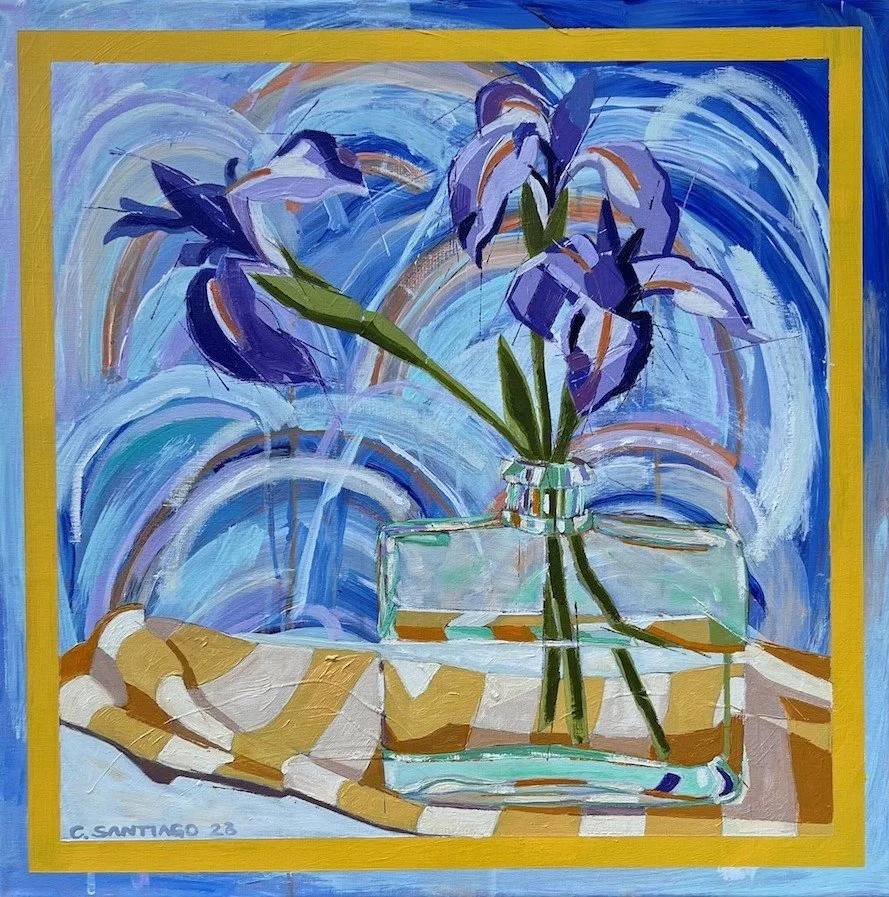
Carlos Santiago paints with an expressive style that offers a uniquely dynamic take on the traditional floral still life.


Heather Pilchard is another go-to for those looking for an iconic New England gift. Her colorful paintings of Wellfleet evoke sun-drenched summers on the Cape.


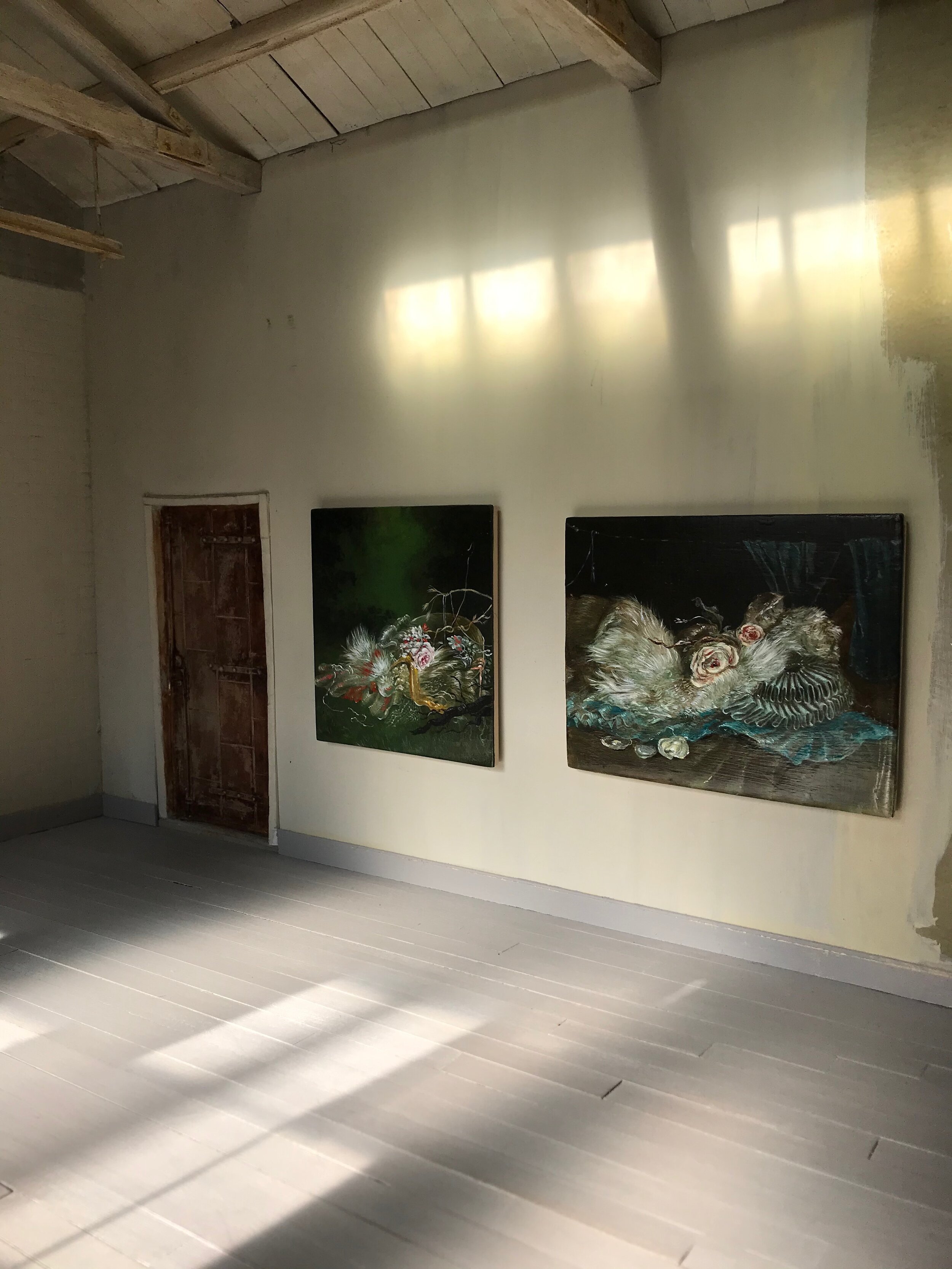
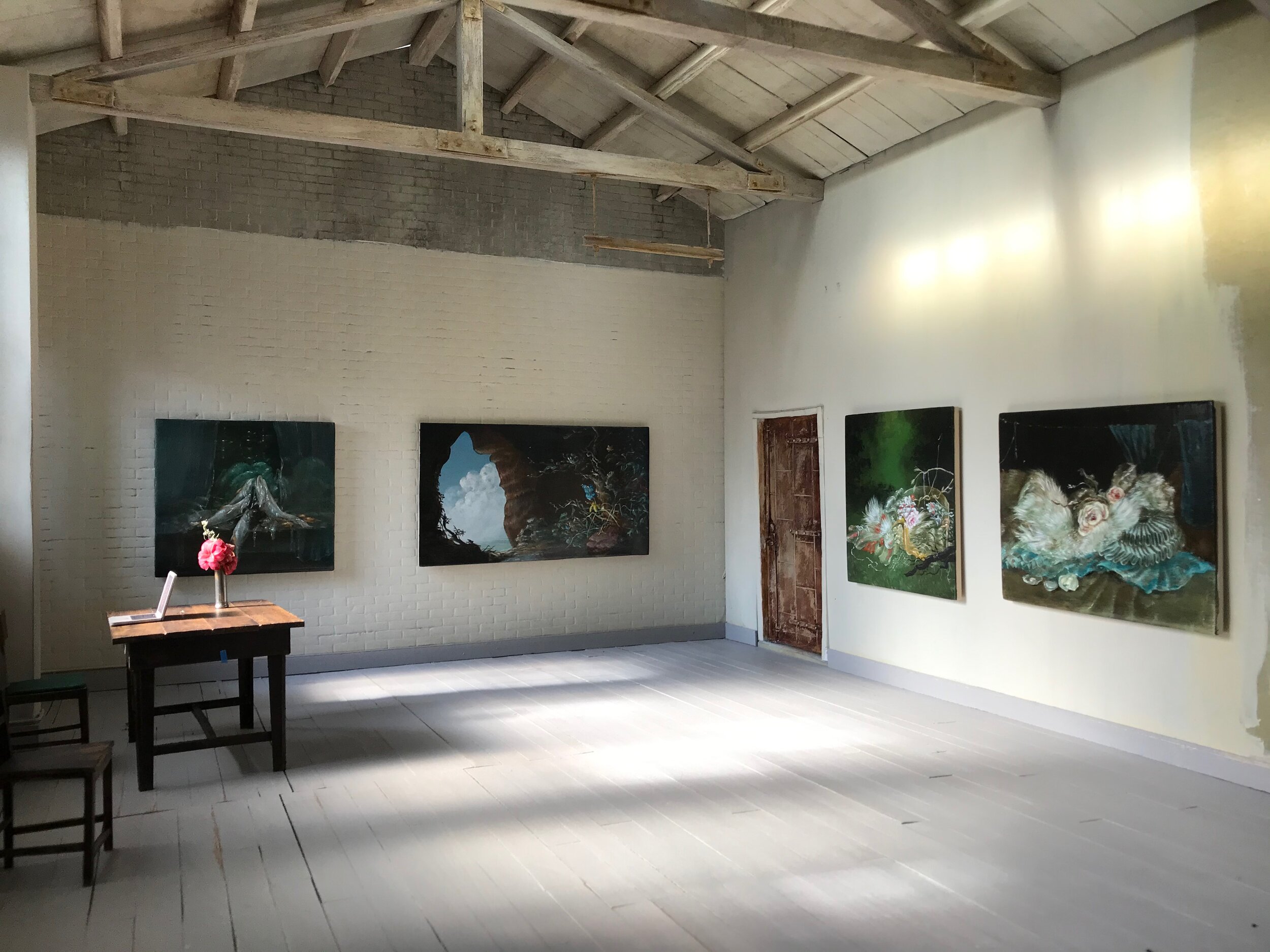
As featured in our current exhibition, Panorama, Paul Beckingham’s landscapes and still lifes are a marvel of dramatic lighting and intricate detail.

Summary Block
This block is invalid. Please check the block settings and try again.

Monumental show at Shelter in Place Gallery with Nicole Duennebier

Social distancing and shelter in place orders have required everyone to find new ways to do their work and stay connected with their communities. Although this has been a challenge, the current restrictions have also inspired a lot of creativity and innovation.
Three cheers to Boston artist Eben Haines, who devised a particularly captivating alternative for displaying art during the pandemic. Haines has created Shelter in Place Gallery (@shelterinplacegallery on Instagram), a miniature model gallery where he hosts installations of local artists who create scale works for the tiny space. Essentially, 1 inch equals 1 foot.

This week he is featuring 13FOREST artist Nicole Duennebier, who created six new small scale paintings for the show. You can find Duennebier's thoughts on the series here. Read what Haines had to say about his inspiration for Shelter in Place Gallery below. Shelter in Place Gallery also received a great write up by WBUR; read the article here.

Shelter in Place Gallery

Shelter in Place Gallery

 
Installation shot of Nicole Duennebier’s show at Shelter in Place Gallery

Installation shot of Nicole Duennebier’s show at Shelter in Place Gallery

Initially, Shelter in Place Gallery was built to test my own ideas, to make large scale installations financially feasible.  As I packed up what I thought I'd need to make work at home in between the day-job stuff, including this silly half-built scale model, I began to worry about what having significantly less space would do to my practice. That was when I realized how fruitful this space could be for artists coping with the same situation, who need an impetus to continue making through this new reality we've been placed in. I want this gallery to be a motivator, to get people unstuck from crisis mode for a little while, and then later they can use these images and proposals to pitch to galleries, grant organizations, and residency programs. I want artists to look at this opportunity as a reason to make the work they've always wanted to, but don't have the money or time to pull off, especially now when time is abundant but resources are near zero. There will be plenty of time to make what you always make after all of this is over, so right now how about making things ten times as big, with a solo show to work toward? I've been blown away by what I've seen so far, and I can't wait for what’s next. 
 
Nicole Duennebier’s work in the Shelter in Place Gallery

Nicole Duennebier’s work in the Shelter in Place Gallery


Eben Haines was born in Boston, Massachusetts in 1990, and he received his Bachelor of Fine Arts with honors from the Massachusetts College of Art and Design in 2013.  His work emphasizes the history and process of object, focusing on human form and the built environment.  Using a covering over and building up of material, he tries to present hand, object, and image simultaneously. He currently lives and works in Boston.

Eben Haines

Eben Haines

Previous installations at Shelter in Place Gallery

 
Sarah Gindel

Sarah Gindel

 
Brett Angell

Brett Angell

Eye of the Beholder - a conversation with the artists of Panorama

For our exhibition Panorama, our goal was to showcase a range of painting approaches from figurative to abstract. We selected Paul Beckingham, Lynette Haggard and Bonita LeFlore for the show to demonstrate three distinct styles that span the broad spectrum of creative expression. The artists' points of view are apparent in their handling of color, form and light; their differing perspectives highlight the full potential of paint to deepen our appreciation of the world around us. 

Since we were not able to host our usual talk with the artists of Panorama, we decided to host a conversation online instead. We hope you enjoy this video, and make sure to check out our social media and newsletter for more digital engagement with the artists of 13FOREST.


Tour Panorama (from the comfort of your home)

As an art gallery we provide the community an opportunity to visit our physical space to connect with artists and their art. Since we can't open our doors to host our usual events right now, we've had to get a little creative in how to bring our current exhibition Panorama to the public eye.

For this show we've gone virtual by creating a video that serves as a tour of the show, an introduction to the featured artists Paul Beckingham, Lynette Haggard, and Bonita LeFlore, and an explanation of how we curated their work. We hope you enjoy this video, and make sure to check out our social media and newsletter for more digital engagement with the artists of 13FOREST.


Fascination Street - A Closer Look

Fascination Street, Mike Ryczek’s first solo exhibition, is the product of three years of intensive study, imagining and revision. Working from photographs taken on his trip to Seoul, South Korea in 2016, Ryczek collaged together imagery and incorporated research into Korean culture to create paintings that capture the sights and sensations from his first trip outside of the country. The descriptions below provide more insight into the experiences and research that inspired each painting. Read more about Ryczek and Fascination Street here.


Soft Power, oil on panel, 13" x 25" framed, $1,250

Soft Power was the first completed piece in Fascination Street and served as a way for Ryczek to test out his ideas before committing to an entire series about his experience in Seoul, South Korea. The painting juxtaposes two scenes Ryczek found in the city: graffiti on a street corner and the omnipresent cute characters seen on commercial goods, subway signs and hospitals. The friendly cartoon faces are meant to encourage cooperation, acting as a form of "soft power," or social control attained through attraction as opposed to force.  Together the images contrast urban neglect with the enticing veneer of consumerism.  


Decline and Fall, oil on panel, 31 1/2” x 31 1/2” framed, sold

Decline and Fall was inspired by a unintentional snapshot of an employee on a smoke break outside the entrance to the Majang Meat Market. In his research for Fascination Street, Ryczek learned about the workaholic culture in South Korea that has lead to an increase in stress-related deaths. He began to think of the figure in Decline and Fall as another victim of toxic work culture trying to steal a moment of relief. The man is dwarfed by his chaotic surroundings, which serve as an outward manifestation of inner turmoil.


Display, oil on panel, 19” x 25” framed, $1,800

Like several other paintings in Fascination Street, Display began with a quickly snapped photograph. Revisiting the image after returning from Seoul, Ryczek found the intoxicating abundance of the stalls in Mangwon Market to be a particularly rich source of inspiration. The piles of meat on display were both beautiful and repulsive, and the stall's location next to a cosmetics shop invited some intriguing comparisons. Ryczek often divides his compositions into distinct emotionally charged "compartments" to create different moods within his paintings. His challenge with Display was to contain the overwhelming detail in the scene to a series of these compartments while maintaining the original memory's movement and energy.


Nursery, oil on panel, 25” x 19” framed, $1,800

Nursery captures the frenetic energy and communal atmosphere of a restaurant in Seoul. The rushing servers, suffocating heat, steam from grilling one’s own food and array of side dishes and condiments (banchan) create a dynamic environment for the shared meal not experienced in many traditional American eateries. Ryczek was particularly struck by the sensation of eating while sitting cross-legged on the floor. Much of Ryczek's painting process involves connecting with his inner child, and his ground level perspective during the meal proved  instrumental for that purpose.


Passage, oil on panel, 25” x 19” framed, sold

Passage conflates two of Ryczek's memories from his trip. The majority of the composition derives from a photograph he snapped while trying to get through a crowd of people. However in Ryczek's recreation, the bustling street is flooded with dark water. On a different trip through the city, Ryczek encountered a flooded walkway running along the Han River. Adults casually splashed through the water chatting and children stopped to play in it.  Together these memories tell a story of beauty found in the commotion of a city, and of environments that disrupt that commotion and allow strangers to connect.


Gazing Girls, oil on panel, 25” x 19” framed, $1,800

Gazing Girls and its companion Passage were originally planned as a combined collage showing day fading into night, but Ryczek eventually expanded the composition into two paintings to fully capture each scene. While working on both paintings, Ryczek reflected on the question of what makes Seoul so visually distinct from other major world cities. He sought to convey the singular visual effect created by dense rows of vertical signage and neon storefronts packed into narrow alleyways. Documenting the fluorescent optical assault of Seoul's night time cityscape was essential to communicating Ryczek's brief experience there. The awe-struck stances of the titular figures perfectly express what Ryczek felt and what he wants the viewer to feel when encountering such a scene. 


Apex, oil on panel, 31 3/4” x 37 3/4” framed, $3,200

Apex is centered around a statue of King Sejong the Great who ruled Korea during the Joseon Dynasty from 1419 to 1450.  He is seen by most Koreans as being responsible for some of the greatest cultural achievements in Korean history, namely inventing the Korean language Hangul. The historical significance of the statue, located in a prominent place in Seoul, is heightened by Ryczek's choice to surround the figure with cityscape imagery observed during his trip to the Namsan Observation Tower (the second highest point in Seoul) and the visually weighty symmetry of the painting. The obscured face of the statue acts as a window into time, connecting past and present, and serves to question idealized fantasies of historical figures after their deaths.


Lost and Found, oil on panel, 19” x 25” framed, sold

Lost and Found started as a quiet scene taken from a tour of Gyeongbokgung Palace, a major tourist site in Seoul, and ended as a slightly surreal collage of real and imagined traditional Korean architecture.  The group of figures wearing traditional Korean hanbok dresses are the only element taken from the original photograph. The surrounding composition combines royal architecture with traditional urban façades inspired by the reconstructed Bukchon Hanok Village. Ryczek added anachronistic elements like paper lanterns, stylized clouds and geometric symbols to create a sense of the past merging with the present. The title hints at a tense relationship with Japan due to two periods of Japanese occupation in South Korea. The palace, destroyed and rebuilt many times during the occupations, symbolizes resilience and restored pride for Korean people.  The centralized red dot and wilted cherry blossoms hint at the stain left by these events.


Han, oil on panel, 19” x 25” framed, $1,800

Through his research for Fascination Street, Ryczek learned about han, a broad concept prevalent in contemporary Korean culture which encapsulates feelings of rage, resentment, grief and hopelessness. The central figure evokes the feeling of han with her unsettling gaze and empty bouquet.  She is immersed in black water, a reference to the Han River, one of the major rivers in South Korea. Her expression is mirrored by a cartoonish cloud, a recurring image in Fascination Street, with a similar vacant stare. Contrasting the somber portrait of the woman are the images of lotus flowers, a symbol of rebirth, and a cheerful cloud; these elements offer hope for persistence through suffering.


Perilla, oil on panel, 19” x 25” framed, $1,800

The dust masks commonly worn in South Korea due to the poor air quality serve as a central symbolic element of Perilla. Wearing the masks eventually developed into a fashion statement, with many stylish options available. For Ryczek these masks represent a unique convergence of self-preservation, anonymity and self-expression. The purple perilla leaves (a common ingredient in Korean cooking) surrounding the defiant female figures act as a protective shroud and camouflage, while the grungy atmosphere of the painting creates an atmosphere of menace and hopelessness.  As the painting evolved Ryczek delved into researching the fragile status of women in South Korea, and incorporated elements representative of the issues that Korean women are fighting against such as domestic violence and spy camera pornography. In 2016, the year of Ryczek's trip, South Korea also experienced the contentious impeachment of their first female president, Park Geun-hye.


Minjok, oil on panel, 31 1/2” x 31 1/2” framed, $2,700

In Minjok Ryczek employs the iconic image of a lotus flower, often a symbol of enlightenment and rebirth, in his exploration of the controversial concept of Korean identity known as minjok. The concept arose amongst Korean intellectuals during the Japanese occupation between 1910 and 1945 as a way for Koreans to distinguish themselves from their enemies and promote national unity. As modern South Korea becomes more multicultural, minjok still remains a powerful identifier. Polls have shown that Korea is more likely than most other countries to view itself as "one people" who share the same bloodline. Ryczek's composition represents the tension between a unified Korean identity and an increasingly diverse society by centering a lotus grouping that is isolated, but also merging with its surroundings.


Lesson, oil and pencil on paper, 14” x 14” framed, sold

While inside the National Museum of Korea, Ryczek observed a teacher with a small group of students gesturing toward the 38th parallel (the latitude marking the separation between North and South Korea) on a wall map. He initially planned to include the map in Lesson, but found that the political implications of the subject distracted from the quiet nature of the interaction he witnessed between teacher and student.


Level, oil on panel, 19” x 25” framed, $1,800

Level is an ode to Ryczek's own childhood nostalgia and the cuteness culture prevalent in Korea.  The painting began with a photograph of the skyline taken from Ryczek's hotel room. The Jumbotron that dominated his view seemed to encapsulate the sleek, beautiful and technologically advanced image that modern Seoul tries to present to the world. The sight reminded him of skylines from Nintendo games (primarily by Japanese designers) he played as a child; Ryczek reflected on how much his preconceptions of East Asian cities were shaped by those early moments of indirect exposure. Ryczek added elements characteristic of side-scrolling games like jewels, power-ups, life meters and other 8-bit video game staples to the scene. The cloud on the Jumbotron takes its haunted expression from a toy Ryczek spotted in Kyobo Bookstore, reflecting the unique blend of dark humor and anxiety he found in many similar tokens he encountered in Seoul.


BTS, oil and pencil on mylar, 14” x 14” framed, $750

BLACKPINK, oil and pencil on mylar, 14” x 14” framed, $750

K-pop is currently the most recognizable pop culture export from South Korea.  Ryczek watched a lot of K-pop videos while preparing himself for his trip, and continued enjoying them while working on Fascination Street. These portraits serve as monuments to the two most prevalent gender specific identities portrayed in the K-pop industry. BTS represents the fashion-conscious androgynous male, while BLACKPINK captures the aggressive and arrogant femme-fatale. Oil portraiture, a medium traditionally used to facilitate insight into a subject's emotional reality, was an intriguing means through which to convey the dazzling and over-stimulating style of K-pop that seems to reject deeper examination. While indulging in the shallow excess and endless visual variety of K-pop videos, Ryczek discovered a startling sensuality in the subjects he was painting.  


The Unraveling - Political Performance Art by Adrienne Sloane

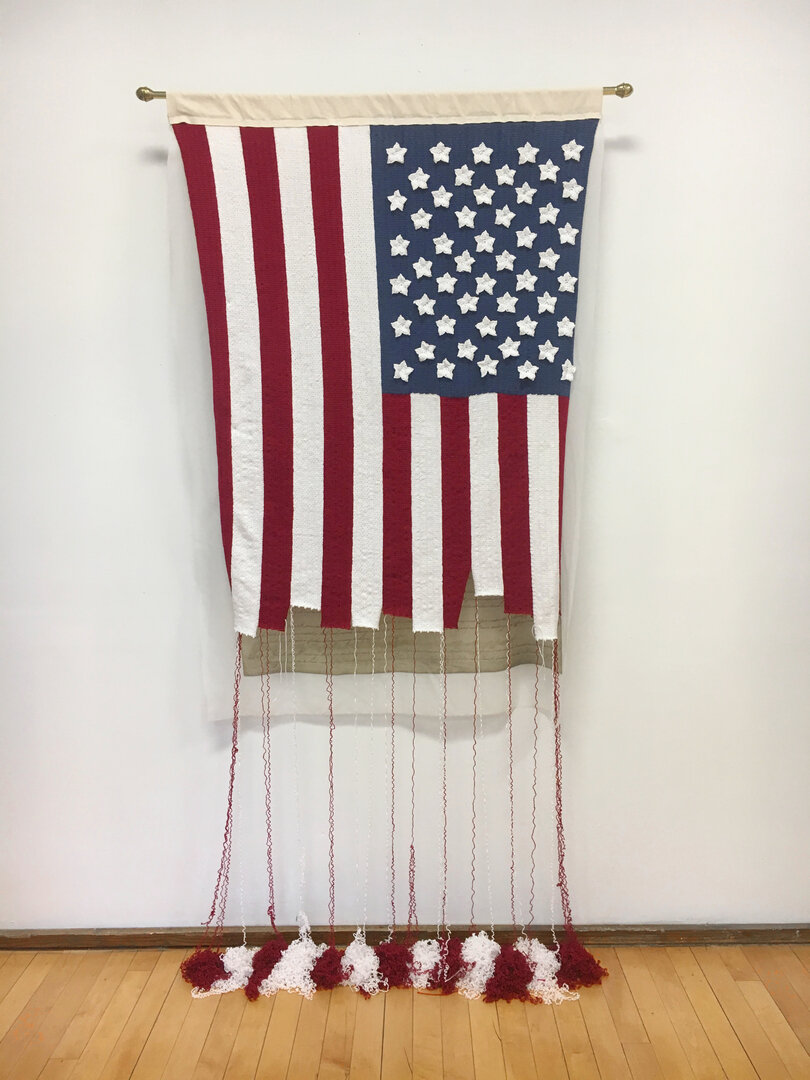
The Unraveling, cotton knit and polyester and cotton fabric, 2017

The Unraveling, cotton knit and polyester and cotton fabric, 2017

13FOREST Gallery is pleased to present The Unraveling, an installation by fiber artist Adrienne Sloane, on view January 18 to February 7, 2020. This temporary installation will culminate with a performance by Sloane and a reception on Sunday, February 2 from 4-6 pm.

Sloane was moved to create The Unraveling in the wake of the 2016 election, as a response to the shocking actions of the Trump administration. The installation consists of a hand-knitted American flag that hangs in front of a copy of the United States constitution printed on fabric. Sloane has been performing a series of “unravelings” since she developed the installation, slowly pulling apart her knitted flag to reveal the constitution underneath. She is committed to continue unraveling the flag in public performances until President Trump has been removed from office, or until there is no flag left. Recently featured as the centerfold in Artscope magazine, Sloane had this to say of her ongoing project:

As I listen to the news while in my studio, I often find myself responding viscerally and through my art to the political landscape of the day. Since the 2016 election, the news has been dominated by an unorthodox administration that I see as undermining our democracy, national unity and the values we stand for as Americans...Set against the backdrop of the constitution, I will continue to unravel this piece as long as I continue to see our civil and political rights eroding under the current administration.

As Congress prepares to begin the impeachment trial of President Trump, the installation of The Unraveling at 13FOREST offers a powerful opportunity to reflect on the state of our national identity. Sloane intends not only to comment on the current political climate with The Unraveling, but to challenge her viewers to take action against the forces dismantling American democracy and values. Her installation includes a postcard writing campaign designed to encourage people to contact their elected representatives. Sloane's politically engaged knitted art belongs to a long history of fiber arts and craft used in political protest and institutional critique. In an article featuring The Unraveling in WBUR's the ARTery, Society of Arts + Crafts executive director Brigitte Martin explained that "Sloane is creating fine art work that uplifts a lineage of female artists who re-situated knitting — a skill often diminished as domestic and feminine — into piercing political commentary." Craftivist Betsy Greer expands on similar ideas in her article "Crafting Understanding: Addressing Political Issues Through Stitch," which places Sloane's work in context with other politically active contemporary fiber artists.

IMG_5734.JPG

Sloane's powerful and poignant work has been acclaimed by many arts institutions, resonating with audiences throughout New England. The Unraveling has been featured by the Society of Arts + Crafts, the Fuller Craft Museum, the New Bedford Art Museum, and the Rockland Center for the Arts in West Nyack, New York. After 13FOREST Gallery's exhibition of The Unraveling, the piece will be installed in the Massachusetts State House in Senator Will Brownsberger's office, with a public unraveling and reception on Tuesday, February 18 from 3-5 pm.

 
Adrienne Sloane next to The Unraveling (Courtesy Society of Arts + Crafts)

Adrienne Sloane next to The Unraveling (Courtesy Society of Arts + Crafts)


Hyman Bloom, Edgar and Me - when a security guard becomes a docent


Hyman Bloom, The Stone, oil on canvas (1947) - now on display at the Boston MFA as part of its exhibition Hyman Bloom: Matters of Life and Death

Hyman Bloom, The Stone, oil on canvas (1947) - now on display at the Boston MFA as part of its exhibition Hyman Bloom: Matters of Life and Death

The difference between looking and seeing is that of perceiving an object and understanding it - or at least communicating with it. Some things can never be fully understood. I was reminded of this today while walking through the MFA and stopping to speak to Edgar, a Mexican immigrant who had become a museum security guard after losing his job as a butcher. He walks miles a day through the museum and today he happened to be stationed in the Hyman Bloom exhibition hall, where I spent the afternoon. Standing alone in front of Bloom's painting The Stone, I asked Edgar, "What do you think of this?"

"I hated this show and that painting when I first got here, but now they're my favorites ones."

"Why? What is it about this painting in particular?"

"A month after the show started,” Edgar replied, “I noticed that the painting looked a little like the [early] Jackson Pollock paintings hanging in the hallway. And I noticed them because they reminded me of the molas I grew up around. They look a little like the Alaskan carvings in one of the other rooms, too."

I was pretty impressed. "Pollock knew pre-Colombian art, and you're right about the mola and Alaska connections."

Edgar went on, "So I stood in front of [The Stone] and looked at it for a long time. I saw jewels and land and light in it - something alive in something that never lived. It changed how I see everything else by this artist"

"Do you think it's true, that non-living things have life?"

"Not life," he replied with a pause, "just souls."

Walking to the next painting, I said to Edgar, "I think Hyman Bloom would like that. You should be a tour guide."

He looked at me. “It would be nice to make people stop and pay attention to more things,”

Jim Kiely

Hyman Bloom: Matters of Life and Death will be running at the MFA through February 23, 2020.